Coconut shell or coal: two materials with different pores. Here is what the studies say and which works best with...

Latest posts
-
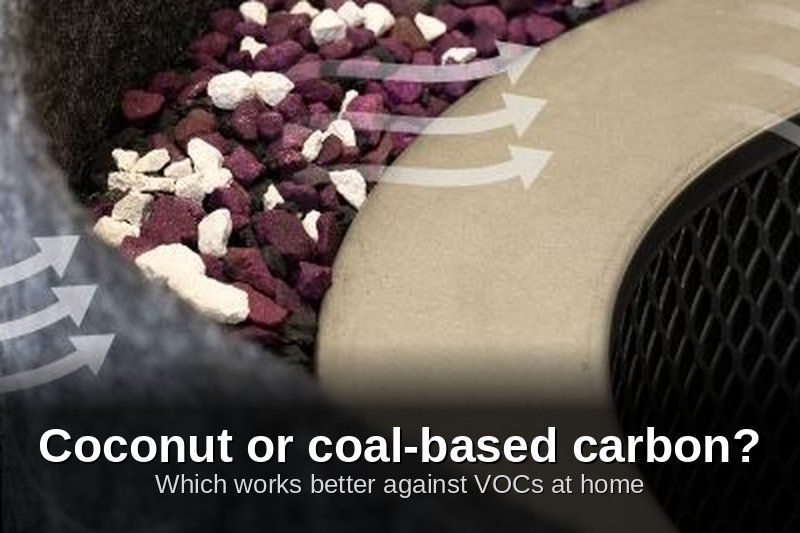 Coconut or coal-based carbon: which is better for VOCsRead more: Coconut or coal-based carbon: which is better for VOCs
-
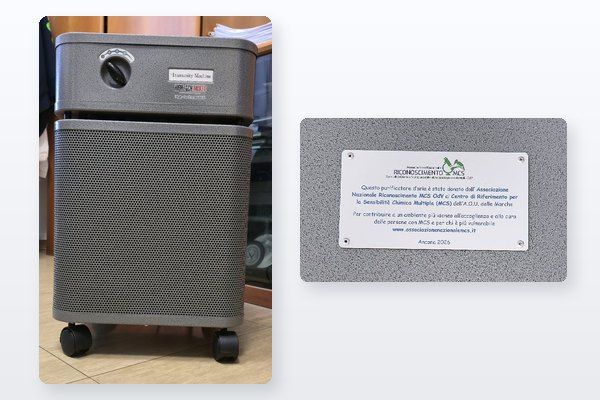 An air purifier donated to the MCS Reference Center in Ancona: a project made possible by the 5x1000Read more: An air purifier donated to the MCS Reference Center in Ancona: a project made possible by the 5x1000
The National Association for the Recognition of MCS donated an Austin Air Immunity Machine® air purifier to the MCS...
-
 Dog and cat odors at home: how to get rid of litter box ammonia tooRead more: Dog and cat odors at home: how to get rid of litter box ammonia too
The ammonia smell of the litter box, a wet dog's coat, hair and allergens everywhere: anyone living with dogs and...
-
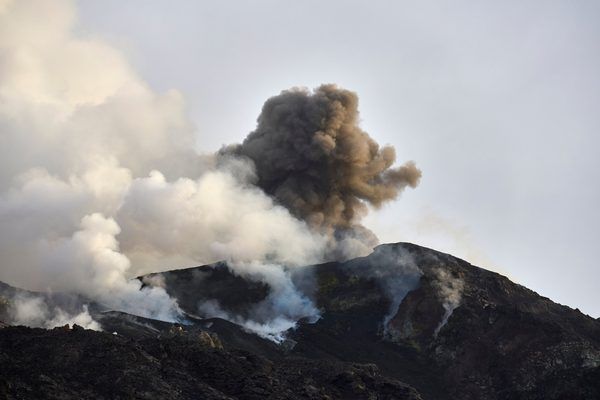 Saharan dust and Etna ash: what they are and how to protect the air at homeRead more: Saharan dust and Etna ash: what they are and how to protect the air at home
Yellow skies from African dust and falls of Etna ash: two increasingly frequent natural phenomena that bring fine...
-
 Floods and indoor air: what happens afterwards and how to protect yourselfRead more: Floods and indoor air: what happens afterwards and how to protect yourself
After a flood, the air problem does not end when the water recedes: mold, bacteria, dust and odors can linger at home...
-
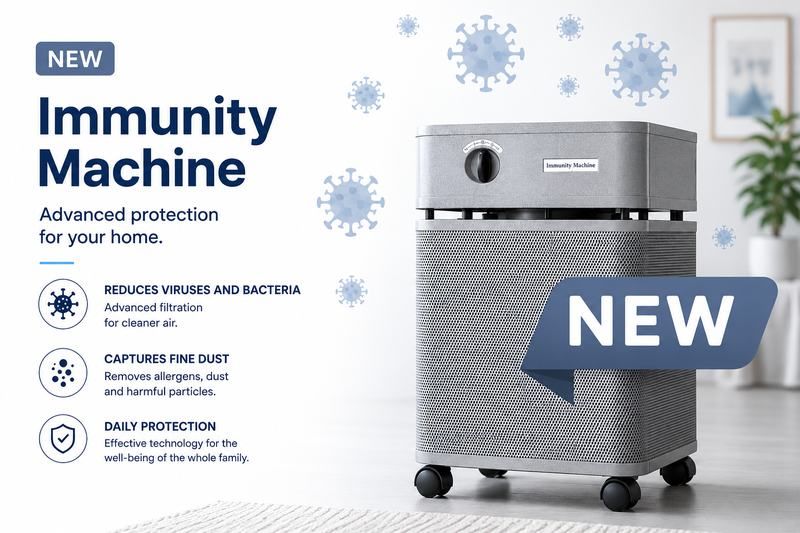 Austin Air announces the launch of the Immunity Machine, its most advanced air purifier.Read more: Austin Air announces the launch of the Immunity Machine, its most advanced air purifier.
Austin Air introduces the Immunity Machine, its most advanced air purifier: 8-phase filtration with medical-grade...
-
 MCS and Air Purification: A Guide to More Livable SpacesRead more: MCS and Air Purification: A Guide to More Livable Spaces
A practical guide to air purification for people with MCS and chemical sensitivity: how to choose the right purifier,...
-
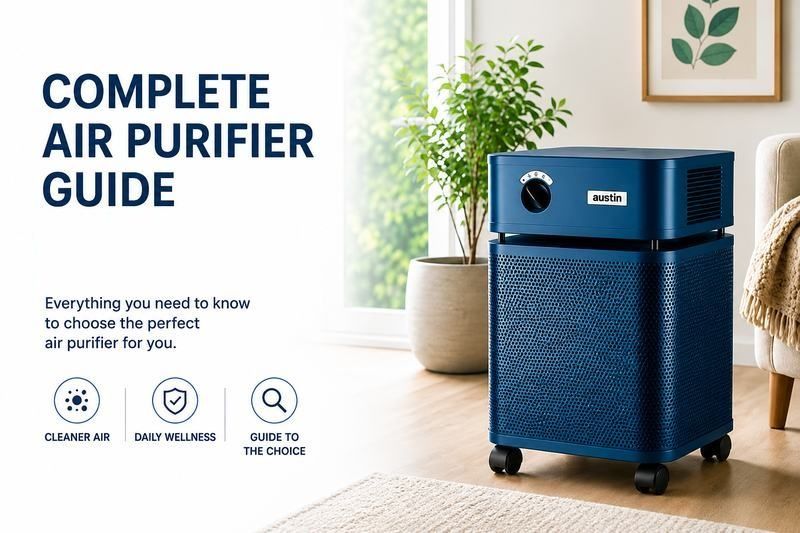 Air Purifiers: Complete Guide and How to Choose the Right OneRead more: Air Purifiers: Complete Guide and How to Choose the Right One
How to choose the right air purifier: HEPA and carbon filters, sizing, noise, running costs and maintenance....
-
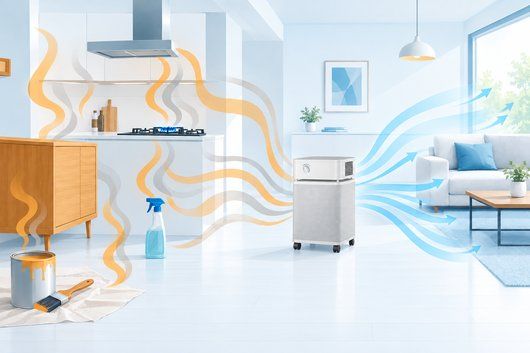 VOCs at home: what they are, where they hide and how to really remove themRead more: VOCs at home: what they are, where they hide and how to really remove them
Paint, new furniture, cleaning products and gas stoves release VOCs that no HEPA filter can stop. Discover where they...
-
 Extreme heat and air quality: what changes and how to protect yourselfRead more: Extreme heat and air quality: what changes and how to protect yourself
Extreme heat worsens the air quality we breathe, affecting everyone and especially people with MCS. Causes, updated...
Blog categories
Search in blog
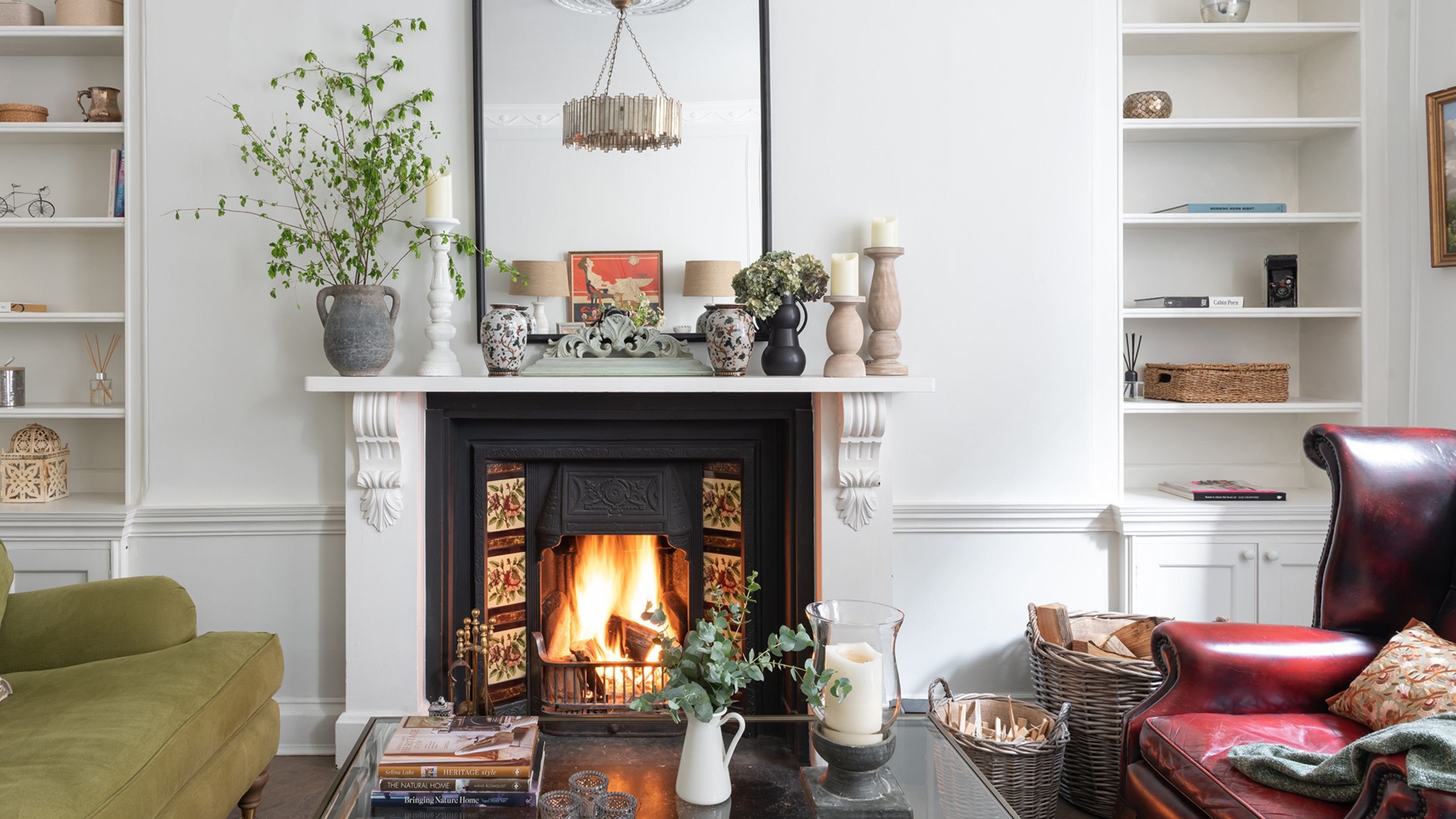
Fireplaces and Wood Stoves: PM2.5, Smoke and Indoor Air Quality
Wood fireplaces and stoves warm the home but pollute its air: what they really produce, who is most at risk, best practices, and how to purify the air during and after use.
Updated: • Reading: ~8 min
The appeal of fire and the air problem
Wood fireplaces and stoves are extremely common in Italian homes. In mountain houses, country villas and, increasingly, urban flats, a wood stove or fireplace is a valued source of heat for the warm, welcoming atmosphere it creates.
What many do not know is that burning wood is also one of the main sources of indoor (and in some cases outdoor) air pollution in Italian residential areas. According to ISPRA (the Italian Institute for Environmental Protection and Research), wood biomass combustion is responsible for a significant share of total PM2.5 emissions in Italy, with notable peaks in northern regions during the winter months.
In the Po Valley, where the geography already naturally traps pollutants, the heavy use of stoves and fireplaces in cold seasons contributes significantly to exceeding the legal PM2.5 limits.
What burning wood produces
Even under the best conditions (well-seasoned wood, proper draught, clean fireplace), burning wood releases a complex mixture of harmful substances:
PM2.5 and ultrafine particulate
Particles below 2.5 micrometres, about 30 times smaller than a human hair, that penetrate deep into the lungs and can reach the bloodstream. WHO and EEA link chronic exposure to respiratory and cardiovascular disease and lung cancer.
Carbon monoxide (CO)
Colourless, odourless gas from incomplete combustion. At low doses it causes headaches, fatigue and nausea; at high doses it can be lethal. Every year in Italy poisonings are recorded from malfunctioning appliances or poorly ventilated rooms.
Polycyclic aromatic hydrocarbons (PAHs)
Carcinogenic compounds that settle on fine particulate and are inhaled with it. Benzo[a]pyrene is classified by IARC as a Group 1 carcinogen.
VOCs and aldehydes
Including formaldehyde and acrolein, very irritating even at very low concentrations. They cause the smell of smoke and the irritation felt even when the fire is out.
Nitrogen oxides (NOx)
Airway irritants that contribute to tropospheric ozone formation and worsen asthma and chronic bronchitis symptoms.
Studies in homes with an active fireplace have measured indoor PM2.5 up to 10-15 times baseline levels during use, well beyond the 15 µg/m³ set by WHO 2021 as the 24-hour guideline value.
The smell of smoke: not just a nuisance
One of the most common and underestimated effects of using wood fireplaces and stoves is the persistent smell of smoke indoors. Many see it as an aesthetic nuisance, but that smell is the direct signal of gases and volatile chemical compounds in the air.
Wood smoke settles on curtains, rugs, sofas, upholstery and porous surfaces, and keeps releasing VOCs into the air for many hours after the fire goes out. In homes with daily fireplace use, this chronic exposure is in some respects comparable to second-hand cigarette smoke.
People with Multiple Chemical Sensitivity (MCS) are particularly vulnerable: even very low concentrations of these compounds can trigger significant reactions.
Who is most at risk
The health effects depend on the concentration of pollutants, the duration of exposure and individual sensitivity. The most vulnerable groups are:
- Children: they breathe more air relative to body weight and have still-developing lungs
- The elderly: often with already reduced respiratory capacity
- People with asthma, COPD or chronic bronchitis: PM2.5 and VOCs can trigger acute attacks
- People with MCS: extreme sensitivity to the volatile chemical compounds in smoke
- Pregnant women: exposure to PAHs and PM2.5 is associated with negative effects on foetal development
Best practices to reduce fireplace pollution
There are concrete measures that help reduce pollutant emissions from fireplaces and stoves:
- Use only well-seasoned wood (at least 2 years) with moisture below 20%: damp wood produces far more smoke and particulate
- Avoid treated, varnished or painted wood: it releases highly toxic compounds when burned
- Clean the flue and fireplace regularly: at least once a year by a professional
- Ensure adequate draught: a fireplace that "smokes" indoors is a malfunction signal not to ignore
- Install a CO detector: required by many regional regulations, it is an essential safety measure
- Ventilate regularly: airing the rooms when the fire is not in use helps dilute accumulated compounds
- Active air purification: the most effective measure to continuously reduce PM2.5, VOCs and odours during and after fireplace use
Why ventilation alone is not enough
Ventilation is useful but has important limits. Opening the windows in winter is often impractical for temperature reasons, and in any case it does not remove the compounds already deposited on surfaces and fabrics. Moreover, in areas with a high density of wood stoves (typical of Alpine and Apennine valleys), the outdoor air in winter can itself be polluted with PM2.5.
Active air purification is the only system that works continuously and independently of outdoor conditions, removing PM2.5, VOCs and odours from indoor air on a constant basis.
 The solution: Austin Air HealthMate Plus®

For those who use fireplaces or wood stoves, an effective air purifier must tackle three fronts at once: fine particulate, gases and VOCs, and persistent odours. The Austin Air HealthMate Plus® is designed exactly for this.
 Medical-grade HEPA for PM2.5
The medical-grade HEPA filter, 5.6 m², captures 99.97% of particles down to 0.3 microns and 99% down to 0.1 microns: sizes well below PM2.5. No airborne smoke particle escapes this filtration.
 Up to 6.8 kg of activated carbon and zeolite for gases and odours
This is the real difference from the competition. The HealthMate Plus contains up to 6.8 kg of a blend of activated carbons and zeolite, including potassium iodide-impregnated carbon for greater affinity with polar VOCs. This amount, vastly greater than the 100-200 grams found in most consumer purifiers, ensures:
- Reduction of wood and cigarette smoke odours
- Capture of combustion VOCs (formaldehyde, acrolein, volatile PAHs)
- Long filter life without rapid saturation even under prolonged exposure
Emission-free construction
The high-temperature powder-coated steel housing and unpainted motor ensure the purifier does not add further VOCs to the air it is cleaning: particularly important for those with chemical sensitivity.
Air flow suited to rooms with a fireplace
Standard Austin Air models deliver an airflow of about 425 m³/h at maximum speed, enough to change the air of a 50-60 m² living room several times an hour, crucial when the fireplace is active and pollutant production is continuous.
Austin Air purifiers and MCS
All Austin Air models are suitable for people with multiple chemical sensitivity, and the most widely used is the HealthMate Plus. The Plus uses potassium iodide (KI)-impregnated carbon, also used regularly by a growing number of people with MCS; for those who prefer non-impregnated media, the alternatives are the HealthMate, Bedroom Machine and HealthMate Junior. For a dedicated assessment see the services for people with MCS.
Conclusion: enjoy the fire, but consciously
Giving up the fireplace is not necessary, and for many Italian families it is not even a practical option. But using it consciously means understanding that burning wood introduces substances into the home's air that can have serious long-term health effects.
The combination of good usage practices, regular maintenance and active air purification is the most effective strategy to enjoy the warmth of the fireplace without compromising the quality of the air we breathe every day.
Discover the Austin Air HealthMate Plus® on high-techmarket.it, authorized Austin Air importer for Italy.
Useful links
- Austin Air HealthMate Plus® product page
 Austin Air purifier buying guide
 Compare the Austin Air models
 Air changes calculator
 Services for people with chemical sensitivity (MCS)
 Urban air pollution and traffic
- Wildfires and air quality
- Formaldehyde at home: risks and protection
 All Austin Air purifiers
 Contact us
Note: air purifiers reduce the concentration of airborne pollutants but do not replace adequate ventilation systems or combustion safety devices such as CO detectors. In case of fireplace or flue malfunction, consult a qualified technician.
Sources: ISPRA, national air pollutant emissions from biomass combustion; WHO, Global Air Quality Guidelines 2021; EEA, Air Quality in Europe 2023; EPA, Residential Wood Combustion and Indoor Air Quality; IARC, Monograph on benzo[a]pyrene (Group 1 carcinogen).
Posted in:
Air Quality Blog
Related posts
-
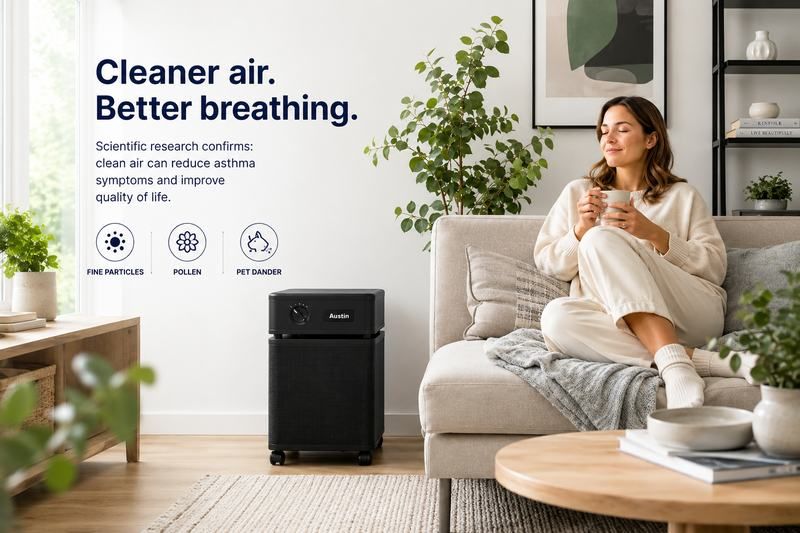 Asthma and Indoor Air Quality: What Science Says and How to Protect Yourself
Asthma affects over 3 million people in Italy and often worsens at night, when exposure to bedroom allergens is...Read more
-
 Ten independent clinical trials on Austin Air: what they show
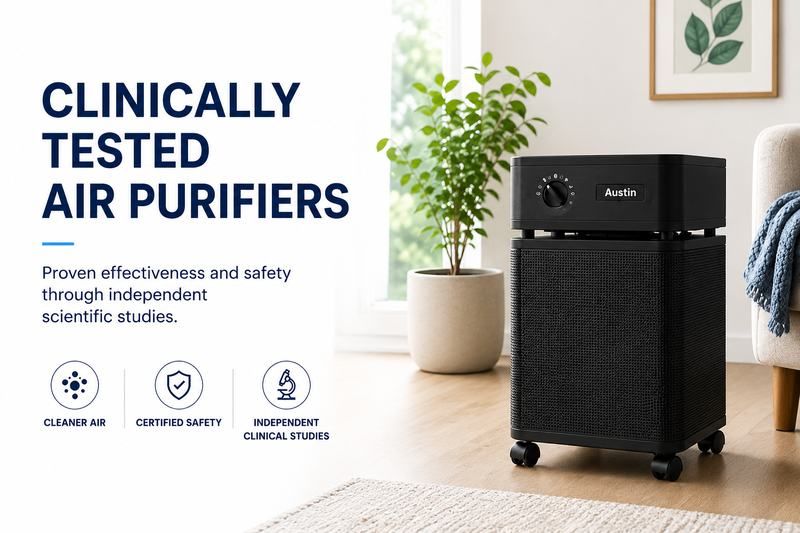
Eight published studies and two in progress, conducted by eight independent research institutions on asthma,...Read more
-
Air Purifiers: Complete Guide and How to Choose the Right One
How to choose the right air purifier: HEPA and carbon filters, sizing, noise, running costs and maintenance....Read more
-
Austin Air announces the launch of the Immunity Machine, its most advanced air purifier.
Austin Air introduces the Immunity Machine, its most advanced air purifier: 8-phase filtration with medical-grade...Read more
-
MCS and Air Purification: A Guide to More Livable Spaces
A practical guide to air purification for people with MCS and chemical sensitivity: how to choose the right purifier,...Read more
Leave a comment