
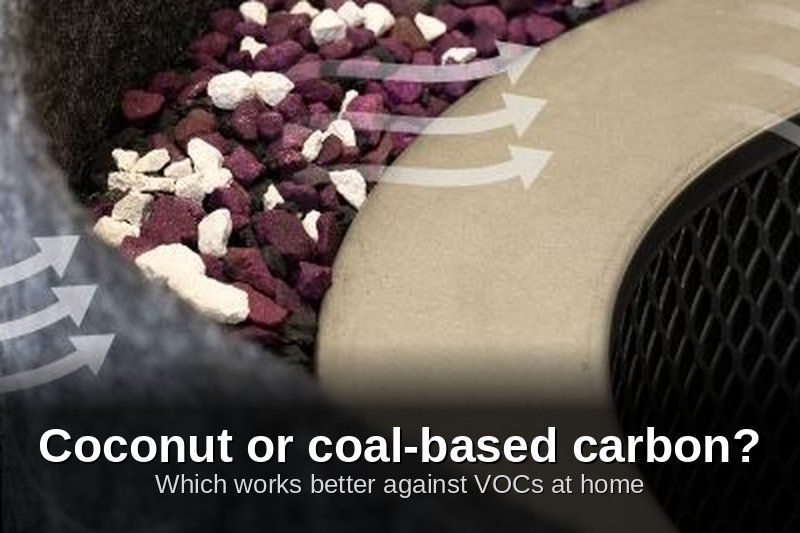
Coconut shell or coal: two materials with different pores. Here is what the studies say and which works best with...



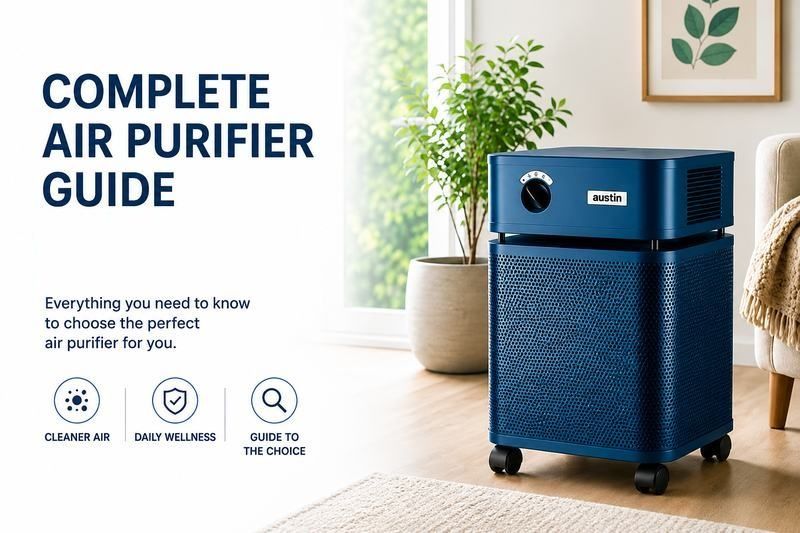

Fast sizing, real-world tips, and myths to bust, with home-ready model suggestions.
Read time: ~10 min
Who this guide is for
- You deal with allergies, odors, or stuffy indoor air.
- You live in areas with high pollution.
- You want to pick the right size in seconds.
- You prefer practical tips, zero jargon.
Why clean air matters
Indoor air directly affects energy, sleep, and health. Some people are more sensitive to indoor pollutants: children and seniors, those with asthma or allergies, people with heart or respiratory conditions, and anyone spending many hours indoors.
Main indoor pollutants (4 groups)
1. Fine and ultrafine particles (PM)
Tiny airborne dust from combustion and household activities: cooking, candles and incense, fireplaces and stoves, and outdoor traffic leaking in. Key sizes are PM2.5 (≤2.5 μm) and ultrafine (≤0.1 μm). They can irritate airways and, with prolonged exposure, increase cardiopulmonary risk. Here, a HEPA filter is essential.
2. Common indoor gases
CO₂ (stale air from people and poor ventilation) may cause drowsiness, headaches, and reduced focus. NO₂ (combustion: gas cooktops, traffic) can irritate eyes and airways and worsen allergies. CO is odorless and dangerous: it comes from incomplete combustion and requires dedicated detectors and proper ventilation.
3. Volatile Organic Compounds (VOCs)
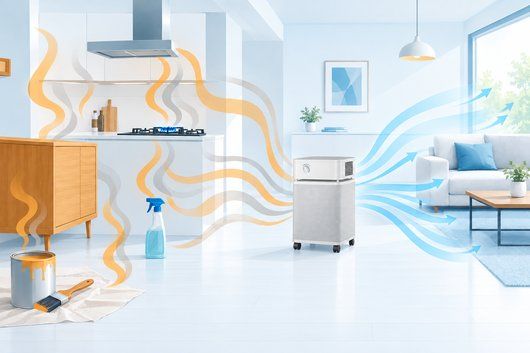
Vapors evaporating at room temperature from paints, adhesives, new furniture, cleaners, and fragrances. Common examples: formaldehyde and toluene. At higher levels they can cause irritation and discomfort; over time, reduce sources and use activated carbon and zeolite stages to curb them.
4. Molds and bacteria
They thrive with humidity and stagnant air. Fungal spores and bioaerosols can worsen allergies and asthma. Control humidity, fix condensation issues, and filter air with prefilters + HEPA.
In short: a good purifier reduces particles, allergens, and some gases and odors, especially when window ventilation is difficult (for example in winter). For best results, combine effective filters, proper use, and, when possible, controlled ventilation.
What a purifier really does
A purifier draws room air in, passes it through one or more filters, and releases it cleaner. It reduces dust, pollen, dander, and smoke and, with a dedicated stage, odors and many household gases (VOCs).
Practical note: the combination of HEPA (particles) and carbon and zeolite (odors and VOCs) is the most complete. Beyond filter efficiency, the adsorbent mass and cabinet sealing also matter.
Do you really need one?
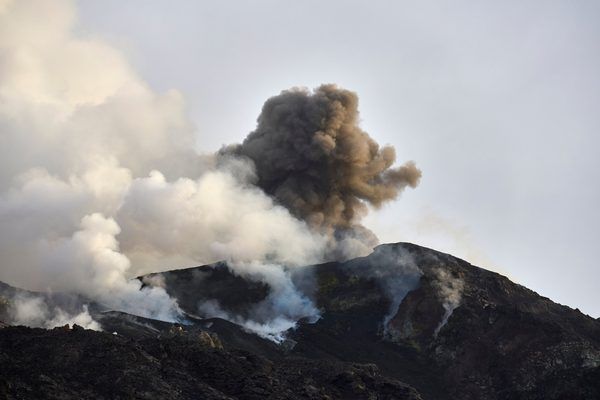
- You live near busy roads or in areas with smog and smoke.
- Seasonal allergies, asthma, or sensitivity to dust and mold.
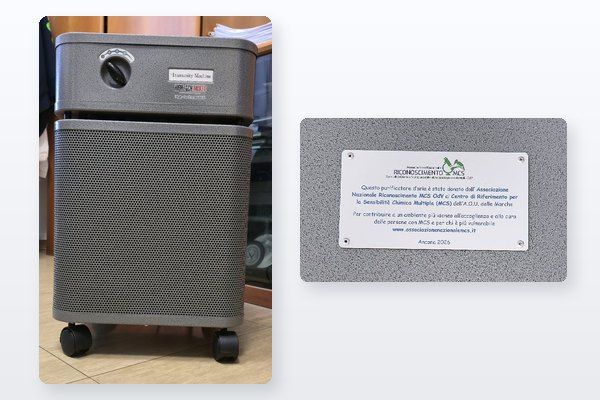
- Multiple Chemical Sensitivity (MCS).
- Poorly ventilated home with persistent odors (kitchen, pets, new paints and furniture).
- You want cleaner bedroom air for better sleep.
What actually matters (plain language)
- Particle filters (HEPA): trap dust, pollen, PM, microplastics, and much of the airborne viruses and bacteria.
- Odor and gas filters (carbon and zeolite): reduce kitchen odors, smoke, paints, and VOCs. More adsorbent mass means more capacity.
- Contact time: to trap gases, a lot of carbon is not enough on its own; what also matters is how long the air stays in contact with the filter media. The larger the area the air enters through, the more slowly it passes through the carbon. In Austin Air purifiers, 360° air intake draws air in from all sides through a layer of carbon that completely surrounds the HEPA filter.
- Airflow and quietness: a more capable unit can run often on low, staying quieter and more comfortable.
- Air path sealing: no bypass around the filter, all air must pass through the media.
- Simple upkeep: prefilters to clean occasionally and main cartridges easy to replace.
Filter types: capture versus inactivation
Air-cleaning systems work in two very different ways.
Capture
They physically remove what is suspended in the air: prefilters, HEPA, and carbon or zeolite stages. Air passes through the media and impurities are trapped.
Inactivation
They aim to neutralize microbes in the airstream, without removing them. Typical examples: UV-C and photocatalysis.
Best performance comes from combining HEPA (particles) and carbon or zeolite (odors and VOCs) in a well-sealed cabinet. The number, quality, and mass of the media make the difference.
The three stages that capture
 Prefilter
Catches hair, large dust, and lint, preventing HEPA clogging. Vacuum it once a month without removing it, using the soft brush attachment; more often with pets.
 HEPA filter
The mechanical core against fine dust and pollen. It removes the vast majority of particles around 0.3 μm and below. It does not remove odors or gases: for those you need a dedicated stage.
 Activated carbon and zeolite
Porous materials that adsorb kitchen odors, smoke, solvents, and VOCs. More adsorbent mass means greater capacity and longer life. When odors return, the stage is saturated.
The technologies that do not capture
 Ionization
It charges particles to make them clump and settle, but does not remove them from the airstream and may generate unwanted byproducts, including ozone. This is why Austin Air purifiers do not ionize: they work only through mechanical filtration and adsorption.
 UV-C
It damages microbial DNA and RNA, but effectiveness depends on dose and exposure time: it does not replace HEPA and carbon. Avoid direct UV-C exposure; some solutions produce ozone.
 Photocatalysis
With a catalyst (usually TiO₂) activated by UV, it can degrade some gaseous pollutants, but many systems produce harmful by-products, including formaldehyde itself, and real-world performance varies widely across models. It does not replace a good carbon stage.
Quick pick
- Allergies, dust, pollen → quality HEPA plus effective prefilters.
- Odors and VOCs (kitchen, paints, new furniture) → lots of carbon and zeolite.
- Mixed use → HEPA + carbon, sized for the room.
What to avoid, and why
- Ozone generators: unnecessary at home, ozone irritates the airways.
- Ionizers alone: they stick particles to surfaces but do not truly remove them from the air.
- UV without filters: it may help with germs, but it does not replace HEPA and carbon for particles and odors.
- Superfluous features: displays, colored lights, sensors, and apps look impressive but do not filter. What cleans the air are the filters, the airflow, and correct use.
What size to choose (30-second rule)
room m² × 5.4 ≈ m³/h needed
Indicative value for residential use, equal to 2 air changes per hour with 2.7 m ceilings.
15 m² → ≈81 m³/h • 25 m² → ≈135 m³/h • 35 m² → ≈189 m³/h • 80 m² → ≈432 m³/h
In more demanding environments (severe allergies, chemical sensitivity, smoke or heavy traffic) aim for more air changes per hour, so a higher airflow or a larger model. For a tailored calculation, use our air exchange calculator.
Where to place it and how to use it
- Leave 10-15 cm clear from walls and furniture; do not block grilles and air outlets.
- For odors and smoke, move it closer to the source and run a higher speed for 30-60 minutes.
- Bedroom: turn it on 1-2 hours before bedtime, then switch to the quiet speed.
- While purifying, keep doors and windows closed; ventilate when outdoor air is better.
- Suggested routine: continuous low speed with a boost when needed.
- Consistency over power: in clinical studies, the greatest benefits were seen among those who used the purifier consistently, for example more than 80% of the time in the Johns Hopkins CLEAN AIR study.
- Create a clean zone: direct the airflow toward your breathing zone (bedside, sofa, desk).
- With air conditioning or humidifiers: they can be used together, keeping filters and ducts clean.
Practical notes from everyday use
- White noise that helps sleep: at lower speeds it can mask annoying sounds such as dogs and traffic.
- It does not cool the air: it is not an air conditioner, the cool feeling comes from air movement.
- External cleaning: dust the intake grille and wipe the cabinet with a soft cloth.
Costs and noise, no surprises
Power use is modest: even at top speed a standard Austin Air purifier draws 120 W and a Junior 82 W, and consumption is lower at the lower speeds. Noise ranges from a whisper to a quiet conversation as you increase power. Choose a size that lets you use the low speed often.
Two-step maintenance
- Prefilter: vacuum it once a month without removing it, more often with pets. Also vacuum the intake grille.
- Main cartridge: replace it when odors return or airflow drops. Lifetime depends on model and use.
In 30 seconds
- Sizing: m² × 5.4 ≈ m³/h (2 air changes per hour).
- Filters: HEPA for dust and allergens, carbon and zeolite for odors and VOCs.
- Use: continuous low speed with a 30-60 minute boost, doors and windows closed.
Recommended models (High-Tech Market)
Choose based on your main priority: odors and VOCs, the most complete protection, or bedroom use. The three models below cover most home scenarios. For a broader comparison, read the buying guide or put two models side by side on the comparison page.
 HealthMate Plus®
Carbon impregnated with potassium iodide: greater capacity on VOCs and formaldehyde.
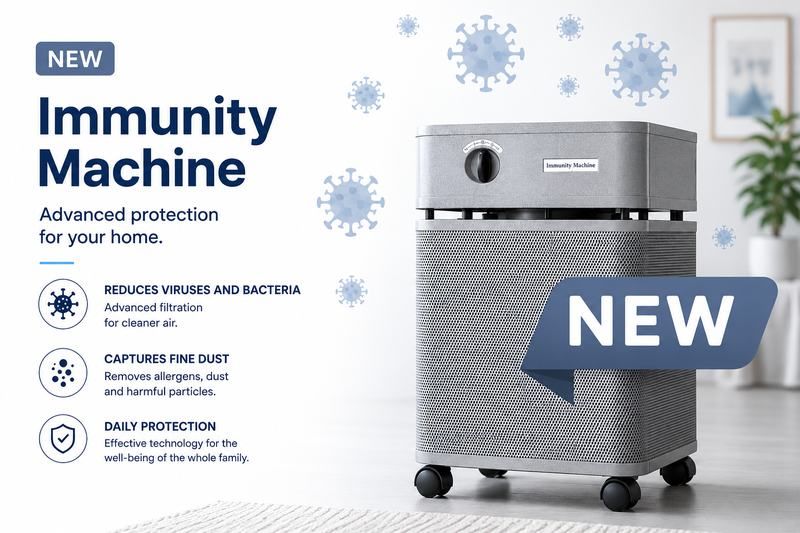
 Immunity Machine®
8 stages with carbon and zeolite, also impregnated, plus military-grade HEGA cloth.
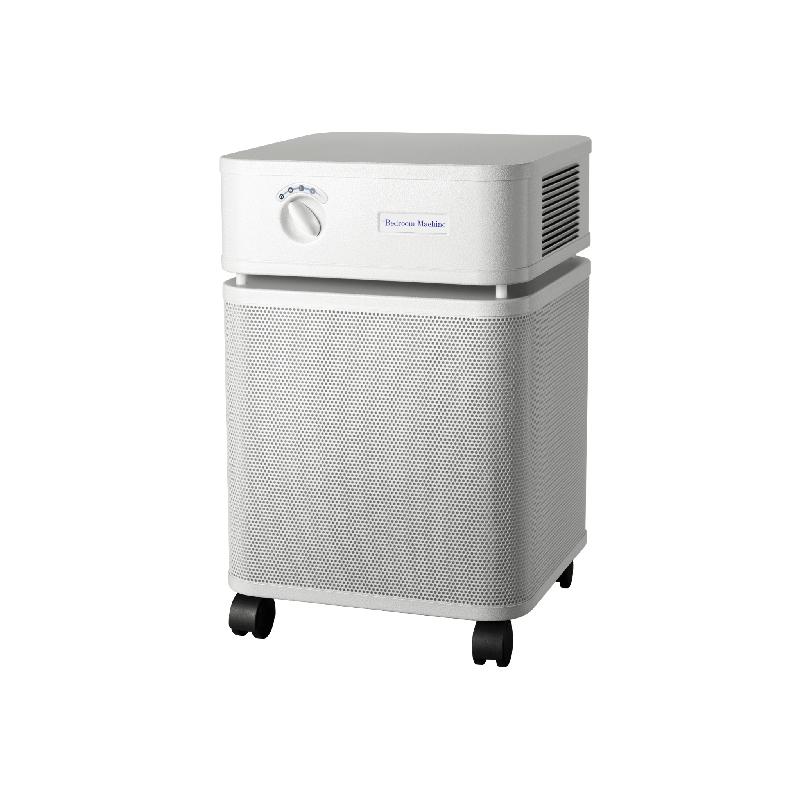 Bedroom Machine®
Five stages with HEGA cloth: designed for air quality in the bedroom.
Useful links
- Austin Air air purifier buying guide
- Austin Air replacement filters guide
- Austin Air model comparison
- Air exchange calculator
- Wildfire smoke: how to protect the air in your home
- Austin Air HealthMate
- Austin Air HealthMate Plus
- Austin Air Bedroom Machine
- Replacement filters
- Contact us
Note: efficacy claims refer to independent studies and/or lab tests; performance may vary depending on use conditions. Air purifiers are not medical devices.

Leave a comment