The ammonia smell of the litter box, a wet dog's coat, hair and allergens everywhere: anyone living with dogs and...

Latest posts
-
 Dog and cat odors at home: how to get rid of litter box ammonia tooRead more: Dog and cat odors at home: how to get rid of litter box ammonia too
-
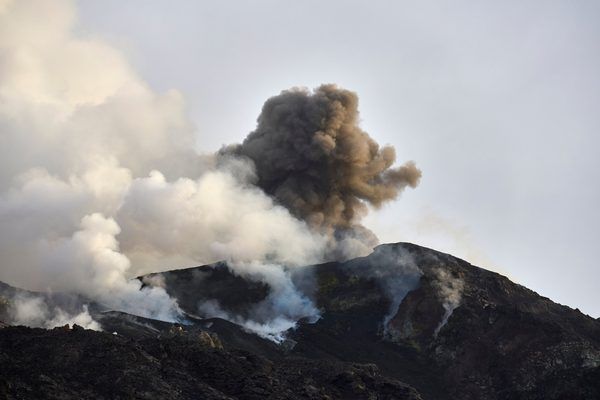 Saharan dust and Etna ash: what they are and how to protect the air at homeRead more: Saharan dust and Etna ash: what they are and how to protect the air at home
Yellow skies from African dust and falls of Etna ash: two increasingly frequent natural phenomena that bring fine...
-
 Floods and indoor air: what happens afterwards and how to protect yourselfRead more: Floods and indoor air: what happens afterwards and how to protect yourself
After a flood, the air problem does not end when the water recedes: mold, bacteria, dust and odors can linger at home...
-
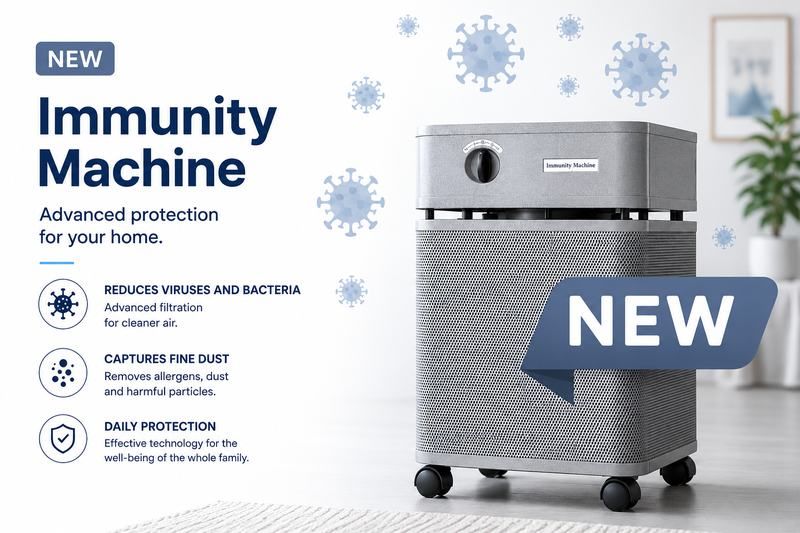 Austin Air announces the launch of the Immunity Machine, its most advanced air purifier.Read more: Austin Air announces the launch of the Immunity Machine, its most advanced air purifier.
Austin Air introduces the Immunity Machine, its most advanced air purifier: 8-phase filtration with medical-grade...
-
 MCS and Air Purification: A Guide to More Livable SpacesRead more: MCS and Air Purification: A Guide to More Livable Spaces
A practical guide to air purification for people with MCS and chemical sensitivity: how to choose the right purifier,...
-
 Air Purifiers: Complete Guide and How to Choose the Right OneRead more: Air Purifiers: Complete Guide and How to Choose the Right One
How to choose the right air purifier: HEPA and carbon filters, sizing, noise, running costs and maintenance....
-
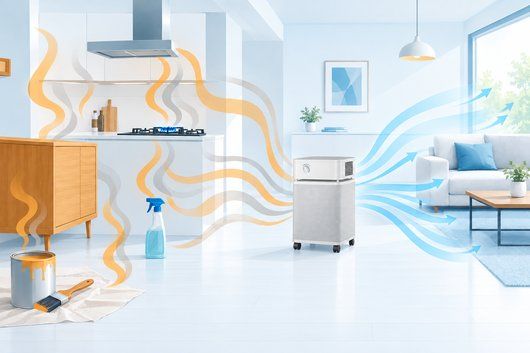 VOCs at home: what they are, where they hide and how to really remove themRead more: VOCs at home: what they are, where they hide and how to really remove them
Paint, new furniture, cleaning products and gas stoves release VOCs that no HEPA filter can stop. Discover where they...
-
 Extreme heat and air quality: what changes and how to protect yourselfRead more: Extreme heat and air quality: what changes and how to protect yourself
Extreme heat worsens the air quality we breathe, affecting everyone and especially people with MCS. Causes, updated...
-
 Asthma and Indoor Air Quality: What Science Says and How to Protect YourselfRead more: Asthma and Indoor Air Quality: What Science Says and How to Protect Yourself
Asthma affects millions of people and worsens at night, when exposure to bedroom allergens is highest. Clinical...
-
 Ten independent clinical trials on Austin Air: what they showRead more: Ten independent clinical trials on Austin Air: what they show
Eight published studies and two in progress, conducted by eight independent research institutions on asthma,...
Blog categories
Search in blog
Floods and indoor air: what happens afterwards and how to protect yourself
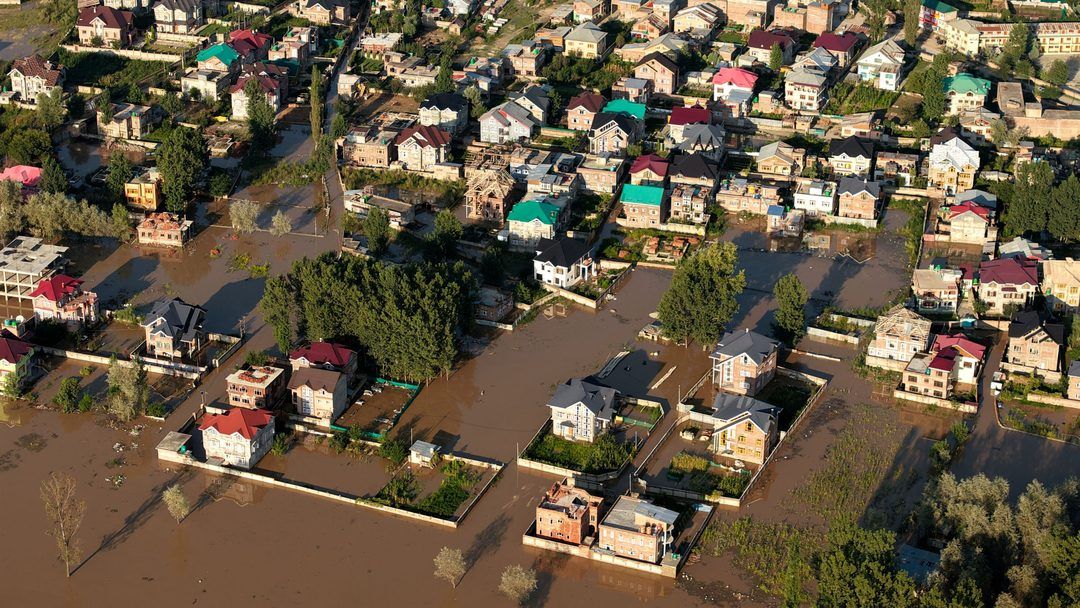
After a flood, the air problem starts precisely when the water recedes: mold, bacteria, dust and odors can linger in the home for weeks. What happens, which phases are most delicate and how to protect the air you breathe.
Reading: ~8 min
When the water recedes, the problem stays in the air
In recent years Italy too has experienced major floods, from Emilia-Romagna to Tuscany and the Marche. When the water recedes, attention rightly goes to the visible damage: furniture, floors, systems. But there is a less obvious aspect that lasts much longer: the quality of the air inside the home.
Waterlogged walls, floors and furniture become the ideal environment for mold and bacteria, drying mud releases fine dust, and floodwater brings odors and chemicals with it. As we will see, the greatest risk is not in the first few days but in the weeks of drying, cleaning and renovation.
What remains in the air after a flood
Mold and spores
Moisture left in walls, plasterboard, insulation, carpets and furniture encourages mold growth, which can start within 24-48 hours. Spores are released into the air with every movement, cleaning operation or intervention on materials.
Bacteria and endotoxins
Floodwater is often contaminated with drains and sewage. Bacteria and their fragments, such as endotoxins, remain in wet materials and mud and can become airborne during removal.
Dust and dried mud
Mud drying on floors, walls and objects turns into fine dust that is easily stirred up. Demolition, plaster removal and sanding add even more.
Odors and chemicals
Water can carry fuels, oils, detergents, agricultural and industrial products into the home. Added to this are damp and musty odors and the products used for cleaning and disinfection.
Why mold persists for weeks: what studies show
The floods most studied from the point of view of indoor air quality are in the United States, and the results are very clear.
Cedar Rapids, Iowa (2008): the Cedar River flood affected more than 5,000 homes. A study of 73 damaged homes compared those with work still in progress and those already remediated: in the former, airborne concentrations of mold, bacteria, inhalable particulate matter, endotoxin and glucan were significantly higher. Proper remediation improved air quality and reduced residents' exposure.
New Orleans (2005): in the two months after the flooding, airborne mold spores outdoors reached about 100,000 per cubic meter, while inside homes values up to about 645,000 spores per cubic meter were measured. Researchers recommended that workers and returning residents use appropriate protective equipment.
The message is simple: the air most loaded with contaminants is not outdoors, but inside homes that have not yet been dried and remediated, and the most delicate period is precisely the work phase.
The highest-risk phases
- Removing wet materials: plasterboard, insulation, carpet, mattresses and chipboard furniture release spores and dust when they are dismantled and taken away.
- Cleaning mud and sediment: sweeping or scraping dried mud disperses fine dust and bacteria.
- Drying: dehumidifiers and fans are essential, but they move the air and can recirculate spores already present.
- Renovation: demolition, plaster removal and sanding produce large amounts of dust, often while people are already living in the home.
What to do, in order of priority
- Dry out as soon as possible: open up, ventilate, use dehumidifiers. The longer materials stay wet, the more time mold has to grow.
- Remove what cannot be saved: soaked porous materials (plasterboard, insulation, carpet, mattresses) usually need to be discarded, not just cleaned.
- Ventilate throughout the work, weather permitting.
- Protect yourself: during removal and cleaning wear FFP2 masks, gloves and goggles, and keep children, the elderly and people with respiratory problems away from the rooms being worked on.
- Do not close up and heat rooms that are still damp without air exchange: heat and humidity together accelerate mold growth.
- For extensive damage, call in professionals for remediation and restoration.
What an air purifier does not do
An air purifier does not dry walls and does not remove mold growing on surfaces or inside materials. It treats the air, not the cause: drying and remediation always come first. Its role is to reduce what is released into the air during the work and in the following weeks.
 Where an air purifier helps
During drying, cleaning and renovation, and in the following weeks, a purifier running continuously in the rooms you live in reduces the particles and odors in the air:
- the medical-grade HEPA filter captures mold spores, bacteria and fine dust: according to official Austin Air data, 99.97% of particles at 0.3 µm and 99% at 0.1 µm;
- the activated carbon and zeolite, up to 6.8 kg in standard models, adsorb damp and musty odors, gases and VOCs, including those from cleaning and disinfection products;
- the pre-filter stops larger particles and protects the inner stages: in these situations it is worth vacuuming it more often.
Which Austin Air model to choose
- HealthMate®: the choice for general home use. According to Austin Air, the carbon in the base models also treats mold-related mycotoxins.
- Bedroom Machine®: for the bedroom, where you spend many hours even during the work, with the additional HEGA carbon cloth stage.
- Immunity Machine®: for the most demanding situations, or when there are people with heightened immune vulnerability in the home.
- HealthMate Junior: for rooms up to 40 m².
To learn more about types of mold, risks and prevention, also read our article on mold in your home.
In summary
After a flood, the air at home remains loaded with mold, bacteria, dust and odors for weeks, especially during the work. The priority is to dry out, remove unsalvageable materials and remediate, protecting yourself during these operations. An air purifier with a medical-grade HEPA filter and a large amount of activated carbon helps reduce what is released into the air in this phase, and makes the rooms you keep living in more breathable.
 Contact us
 WhatsApp
Useful links
 Mold in your home: types, risks and how to protect the air
- Chemical disasters and indoor air
 Purifier buying guide
 All Austin Air purifiers
Note: air purifiers are not medical devices and do not replace the prevention measures, diagnoses or treatments recommended by a doctor, nor the drying and remediation of the premises. Performance may vary depending on use and environment.
Sources: Hoppe K. et al., "Assessment of Airborne Exposures and Health in Flooded Homes Undergoing Renovation", Indoor Air 22(6), 2012; Solomon G.M. et al., study of bioaerosols in New Orleans after the 2005 flooding, Environmental Health Perspectives 114, 2006; EPA, Emergencies and Indoor Air Quality; WHO, Guidelines for Indoor Air Quality: Dampness and Mould, 2009.
Posted in:
Air Quality Blog
Related posts
-
Asthma and Indoor Air Quality: What Science Says and How to Protect Yourself
Asthma affects millions of people and worsens at night, when exposure to bedroom allergens is highest. Clinical...Read more
-
Ten independent clinical trials on Austin Air: what they show
Eight published studies and two in progress, conducted by eight independent research institutions on asthma,...Read more
-
Air Purifiers: Complete Guide and How to Choose the Right One
How to choose the right air purifier: HEPA and carbon filters, sizing, noise, running costs and maintenance....Read more
-
Austin Air announces the launch of the Immunity Machine, its most advanced air purifier.
Austin Air introduces the Immunity Machine, its most advanced air purifier: 8-phase filtration with medical-grade...Read more
-
MCS and Air Purification: A Guide to More Livable Spaces
A practical guide to air purification for people with MCS and chemical sensitivity: how to choose the right purifier,...Read more
Leave a comment