Coconut shell or coal: two materials with different pores. Here is what the studies say and which works best with...

Latest posts
-
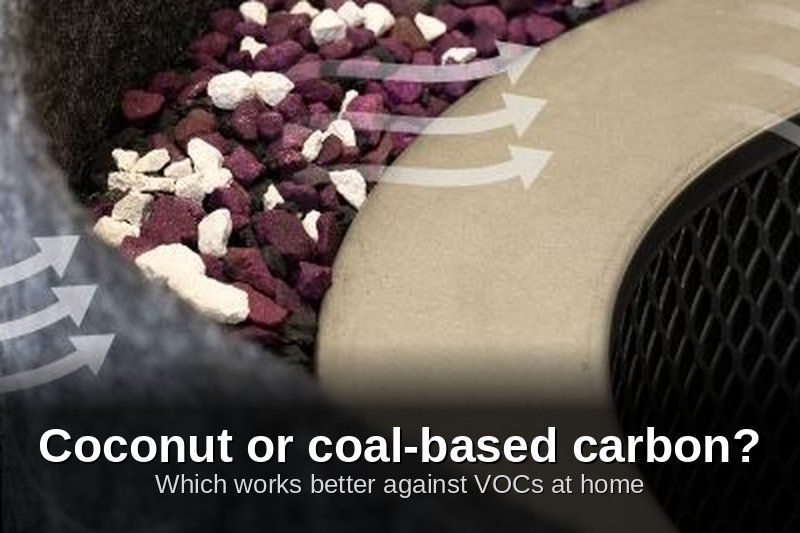 Coconut or coal-based carbon: which is better for VOCsRead more: Coconut or coal-based carbon: which is better for VOCs
-
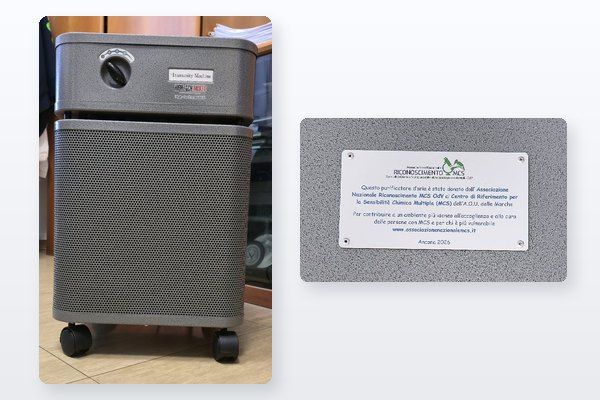 An air purifier donated to the MCS Reference Center in Ancona: a project made possible by the 5x1000Read more: An air purifier donated to the MCS Reference Center in Ancona: a project made possible by the 5x1000
The National Association for the Recognition of MCS donated an Austin Air Immunity Machine® air purifier to the MCS...
-
 Dog and cat odors at home: how to get rid of litter box ammonia tooRead more: Dog and cat odors at home: how to get rid of litter box ammonia too
The ammonia smell of the litter box, a wet dog's coat, hair and allergens everywhere: anyone living with dogs and...
-
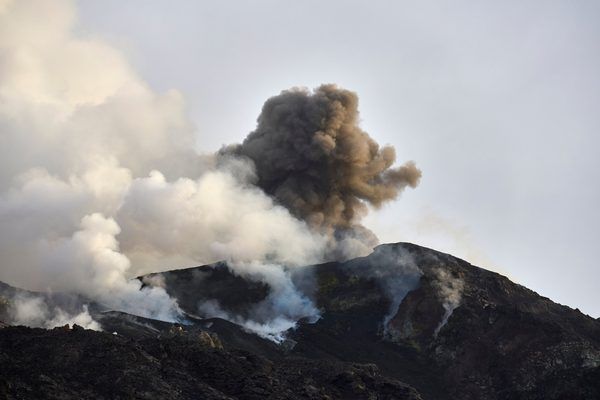 Saharan dust and Etna ash: what they are and how to protect the air at homeRead more: Saharan dust and Etna ash: what they are and how to protect the air at home
Yellow skies from African dust and falls of Etna ash: two increasingly frequent natural phenomena that bring fine...
-
 Floods and indoor air: what happens afterwards and how to protect yourselfRead more: Floods and indoor air: what happens afterwards and how to protect yourself
After a flood, the air problem does not end when the water recedes: mold, bacteria, dust and odors can linger at home...
-
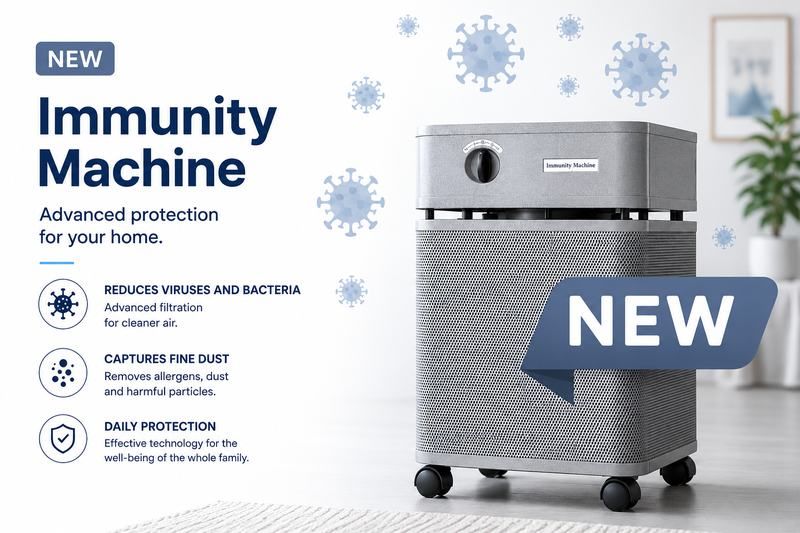 Austin Air announces the launch of the Immunity Machine, its most advanced air purifier.Read more: Austin Air announces the launch of the Immunity Machine, its most advanced air purifier.
Austin Air introduces the Immunity Machine, its most advanced air purifier: 8-phase filtration with medical-grade...
-
 MCS and Air Purification: A Guide to More Livable SpacesRead more: MCS and Air Purification: A Guide to More Livable Spaces
A practical guide to air purification for people with MCS and chemical sensitivity: how to choose the right purifier,...
-
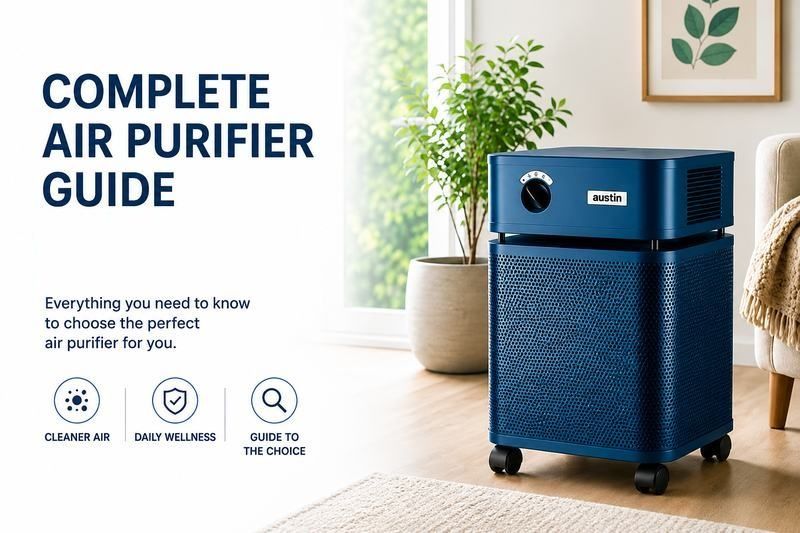 Air Purifiers: Complete Guide and How to Choose the Right OneRead more: Air Purifiers: Complete Guide and How to Choose the Right One
How to choose the right air purifier: HEPA and carbon filters, sizing, noise, running costs and maintenance....
-
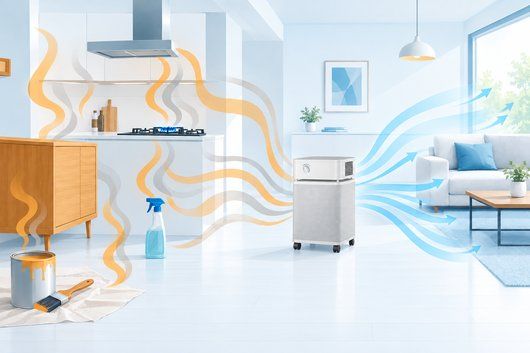 VOCs at home: what they are, where they hide and how to really remove themRead more: VOCs at home: what they are, where they hide and how to really remove them
Paint, new furniture, cleaning products and gas stoves release VOCs that no HEPA filter can stop. Discover where they...
-
 Extreme heat and air quality: what changes and how to protect yourselfRead more: Extreme heat and air quality: what changes and how to protect yourself
Extreme heat worsens the air quality we breathe, affecting everyone and especially people with MCS. Causes, updated...
Blog categories
Search in blog
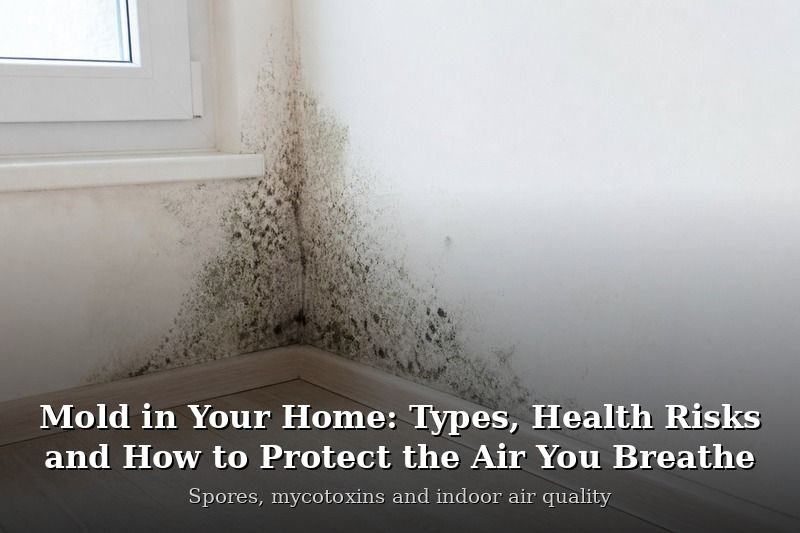
Mold in Your Home: Types, Health Risks and How to Protect the Air You Breathe
Mould is not just a cosmetic problem: it releases spores and mycotoxins into the air. What types exist, their health effects and why not all purifiers work against it.
Reading: ~9 min
Is mould really dangerous?
When we see dark patches on a wall or in a corner of the bathroom, the most common reaction is to treat them as a simple cosmetic problem. The reality is quite different: mould is a living organism that releases spores and mycotoxins into the air, substances that can affect our health, often without us noticing.
In Italy, where the building stock is among the oldest in Europe and humidity is constant in many homes (from the Po Valley to the coast, from basements to attics), indoor mould is more widespread than people think.
Types of mould: not all are the same
There are thousands of mould species, but some are more common in homes and more relevant to health:
Cladosporium
Among the most widespread moulds in the world, on porous surfaces such as wood, textiles and rugs. Olive-green or black, it can cause respiratory irritation and allergic reactions even in people who are not particularly sensitive.
Penicillium
Recognisable by its blue-green colour, it grows on food but also on damp walls and insulation. Some species produce potentially harmful mycotoxins.
Aspergillus
Very common indoors, on dust, synthetic fibres and building materials. It can cause aspergillosis, a serious respiratory condition, especially in immunocompromised people.
Stachybotrys chartarum (the "black mould")
Deep black in colour, it grows on cellulose-rich materials (plasterboard, wood, paper) where humidity is persistent. It produces mycotoxins linked to respiratory and neurological symptoms; some more serious associations have been hypothesised but remain debated.
Alternaria
Common in bathrooms, showers and under sinks. It is one of the main causes of allergic asthma and rhinitis, especially in children.
Spores and mycotoxins: what is the difference?
Mould causes health problems in two distinct ways:
- Spores are the "seeds" of mould: microscopic particles that float in the air and are inhaled. They mainly cause allergic reactions and respiratory problems.
- Mycotoxins are toxic chemicals produced by some moulds. In the air they travel mainly attached to spores and microscopic mould fragments, which can be much smaller than the spores themselves, and they can build up in the body over time. Added to these are the microbial volatile organic compounds (MVOCs) produced by mould, which cause its typical musty smell.
An effective air purifier must capture both, and this is one of the reasons why not all purifiers are equal when it comes to mould.
Where does mould grow at home?
Mould needs three conditions to develop: humidity, warmth and an organic surface to grow on. At home the highest-risk places are:
- Bathrooms and showers (tiles, silicone, curtains)
- Under sinks and behind fridges
- External walls with thermal bridges or poor insulation
- Basements and cellars
- Air-conditioning ducts and HVAC systems
- Mattresses, pillows and rugs in damp environments
- Behind furniture placed against cold walls
In many cases mould is not visible: it grows inside walls, in ducts, under floors. But the spores and mycotoxins it produces still circulate in the air we breathe.
How mould can affect health
The respiratory and allergic effects of mould (coughing, sneezing, rhinitis, asthma, irritation) are well documented by the WHO and EPA. Beyond these, research has hypothesised a range of more systemic effects: we report them with caution, because they do not all have the same degree of scientific evidence.
Possible effects on the brain
Some mycotoxins have been studied for their potential neurotoxicity. An association has been hypothesised with difficulty concentrating, memory problems, "brain fog", anxiety and sleep disturbances. Many people living in mouldy environments report this sensation, which tends to improve away from the contaminated space, although the causal link is not yet established with certainty.
Possible effects on hormones and metabolism
Some mycotoxins have been studied as possible endocrine disruptors. A correlation has been hypothesised with alterations in thyroid hormones, cortisol and insulin, and therefore with metabolism, weight and energy. These are areas still debated in the scientific literature.
Effects on the immune system
Continuous exposure to spores can keep the immune system in a state of activation. Some studies hypothesise that over time this may contribute to overactive responses or, conversely, to a weakening of the defences. Immunocompromised people (the elderly, children, cancer patients) are in any case recognised as more vulnerable.
Pain and inflammation
Some people associate mould exposure with symptoms such as joint and muscle pain, persistent headache and general malaise. These symptoms have many possible causes and are often attributed to other conditions: the correlation with mould at home is a hypothesis to investigate with a doctor, not a certainty.
Testing and remediation: what to do if you suspect mould
If you suspect mould at home, the first step is an environmental test. There are DIY kits to collect air or surface samples, but for a reliable assessment it is advisable to turn to a certified professional who can identify the species present and their concentration.
Important: the process of physically removing mould releases a large amount of spores into the air. This is why it is advisable to use a high-efficiency air purifier during and after remediation, together with the other precautions (ventilation, personal protection, isolating the work area), to reduce the spores spreading into occupied rooms.
After a flood: the most critical case
A flood is the situation in which mould develops fastest and most extensively: walls, plasterboard, insulation and furniture stay soaked for weeks. Spores increase above all during the removal of wet materials, drying and renovation. A study of flooded homes in Cedar Rapids (Iowa, 2008) measured significantly higher concentrations of mould, bacteria and particulate matter in homes with work still in progress than in those already remediated. To find out what to do step by step, read our article on floods and indoor air.
Why not all purifiers work against mould
In its technical document on residential air cleaners, the US EPA (Environmental Protection Agency) identifies high-efficiency mechanical filtration, such as HEPA filters, as the most reliable method for particles, including spores, and activated carbon as the right medium for gases. The same document instead points out the limits and risks of other heavily marketed technologies:
 UV and UVGI
According to the EPA, some bacterial and fungal spores are resistant to UV radiation. In addition, UVGI machines can produce ozone, which is harmful to health.
 Ionisers and ESP
They remove particles through electrostatic charge, but if the particles lose the charge they can return into circulation in the air.
 PCO (photocatalysis)
According to the EPA it can generate ozone, formaldehyde, acetaldehyde, nitrogen dioxide and carbon monoxide.
Ozone generators
Ozone does not penetrate the walls or porous materials where mould grows and is extremely dangerous to health. The EPA explicitly recommends not using them in occupied spaces.
 The solution: Austin Air purifiers

Austin Air purifiers combine a medical-grade HEPA filter, for spores and mould fragments, with a large amount of activated carbon and zeolite, for odours and MVOCs. For mould, the starting point is the HealthMate®: according to Austin Air, the carbon in the base models also treats mould-related mycotoxins. Depending on the situation, there are targeted alternatives:
- Bedroom Machine®, for the bedroom, with the additional HEGA carbon cloth stage;
- HealthMate Plus®, if formaldehyde, paint or new furniture are also present besides mould;
- Immunity Machine®, for the most demanding situations or when people with heightened immune vulnerability live in the home.
 Medical-grade HEPA filter: for spores
The medical-grade HEPA filter in the standard models, 60 square feet (about 5.6 m²), captures 99.97% of particles at 0.3 microns and 99% at 0.1 microns, sizes far smaller than mould spores (1 to 30 microns): this is why spores passing through the filter are captured very effectively.
 Activated carbon and zeolite: for odours and MVOCs
The musty smell of mould comes from gaseous compounds, the MVOCs, which a HEPA filter alone cannot capture. These require activated carbon and zeolite, up to 6.8 kg in standard Austin Air models, which adsorb them together with the other VOCs in the air. According to Austin Air, the carbon in the base models also treats mould-related mycotoxins.
Conclusion: the air you breathe at home can make the difference
Mould is one of the most underestimated indoor air quality problems. Its respiratory and allergic effects are documented, and in Italy humidity and the age of buildings make it particularly widespread: having effective protection is a concrete health choice.
Austin Air purifiers, starting with the HealthMate®, combine medical-grade HEPA and high-capacity activated carbon: the two technologies the EPA identifies as the most suitable for particles and for gases respectively.
To learn more about how to choose the right purifier, read our complete guide to air purifiers.
Useful links
- Austin Air HealthMate® product page
- Austin Air Bedroom Machine® product page
- Austin Air HealthMate Plus® product page
 Austin Air Immunity Machine® product page
 Floods and indoor air: what happens afterwards and how to protect yourself
 Purifier buying guide
- Asthma and air quality: the clinical studies
- Formaldehyde at home: risks and protection
 Compare the Austin Air models
 All Austin Air purifiers
 Contact us
Note: air purifiers are not medical devices. Several systemic effects of mould described in this article are the subject of study and do not have established scientific consensus. If you have persistent symptoms or suspect exposure, consult a doctor and, for remediation, a qualified professional.
Sources: EPA, Residential Air Cleaners: A Technical Summary (3rd ed.); WHO, Dampness and Mould, WHO Guidelines for Indoor Air Quality; Hoppe K. et al., "Assessment of Airborne Exposures and Health in Flooded Homes Undergoing Renovation", Indoor Air 22(6), 2012.
Posted in:
Air Quality Blog
Related posts
-
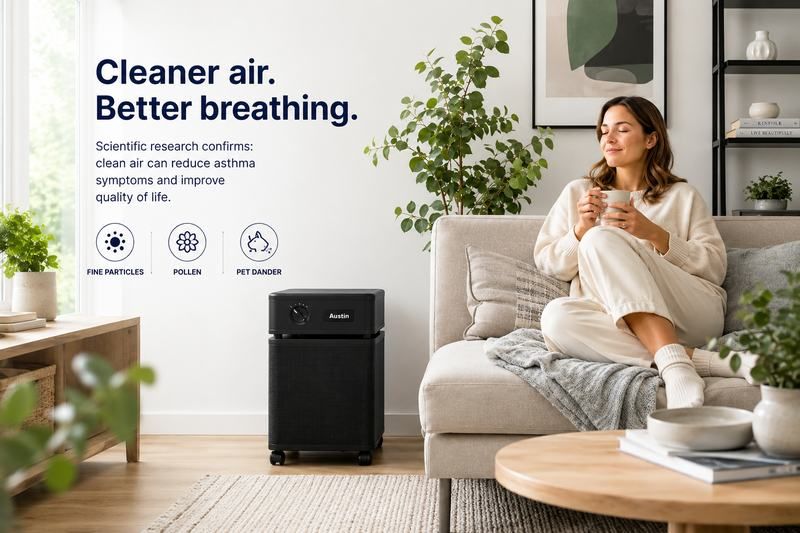 Asthma and Indoor Air Quality: What Science Says and How to Protect Yourself
Asthma affects over 3 million people in Italy and often worsens at night, when exposure to bedroom allergens is...Read more
-
 Ten independent clinical trials on Austin Air: what they show
Eight published studies and two in progress, conducted by eight independent research institutions on asthma,...Read more
-
Air Purifiers: Complete Guide and How to Choose the Right One
How to choose the right air purifier: HEPA and carbon filters, sizing, noise, running costs and maintenance....Read more
-
Austin Air announces the launch of the Immunity Machine, its most advanced air purifier.
Austin Air introduces the Immunity Machine, its most advanced air purifier: 8-phase filtration with medical-grade...Read more
-
MCS and Air Purification: A Guide to More Livable Spaces
A practical guide to air purification for people with MCS and chemical sensitivity: how to choose the right purifier,...Read more
Leave a comment