The ammonia smell of the litter box, a wet dog's coat, hair and allergens everywhere: anyone living with dogs and...

Latest posts
-
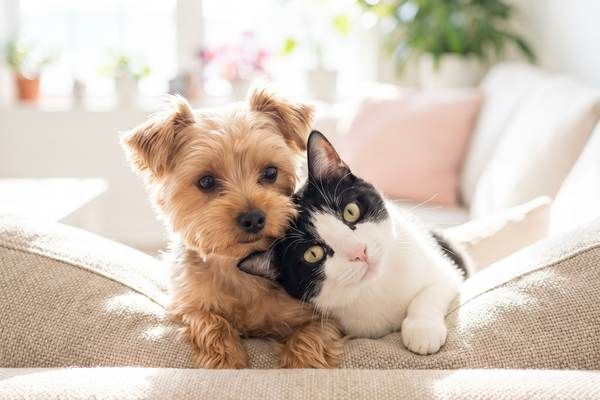 Dog and cat odors at home: how to get rid of litter box ammonia tooRead more: Dog and cat odors at home: how to get rid of litter box ammonia too
-
 Saharan dust and Etna ash: what they are and how to protect the air at homeRead more: Saharan dust and Etna ash: what they are and how to protect the air at home
Yellow skies from African dust and falls of Etna ash: two increasingly frequent natural phenomena that bring fine...
-
 Floods and indoor air: what happens afterwards and how to protect yourselfRead more: Floods and indoor air: what happens afterwards and how to protect yourself
After a flood, the air problem does not end when the water recedes: mold, bacteria, dust and odors can linger at home...
-
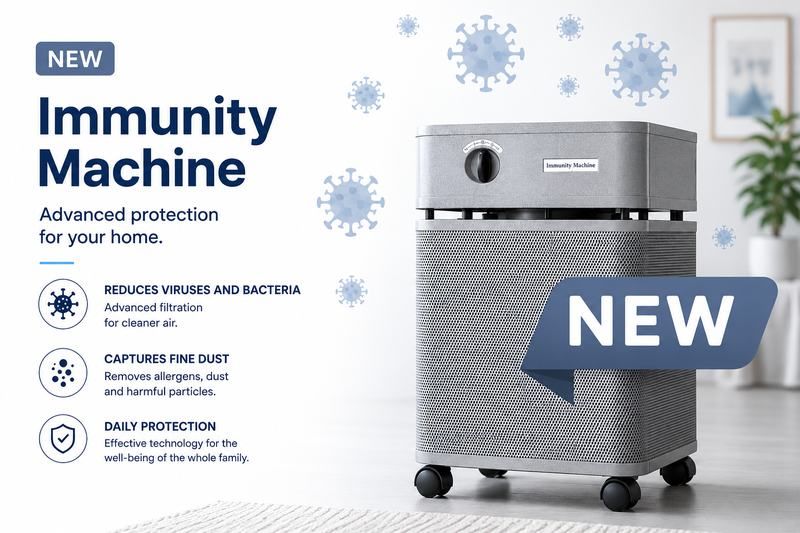 Austin Air announces the launch of the Immunity Machine, its most advanced air purifier.Read more: Austin Air announces the launch of the Immunity Machine, its most advanced air purifier.
Austin Air introduces the Immunity Machine, its most advanced air purifier: 8-phase filtration with medical-grade...
-
 MCS and Air Purification: A Guide to More Livable SpacesRead more: MCS and Air Purification: A Guide to More Livable Spaces
A practical guide to air purification for people with MCS and chemical sensitivity: how to choose the right purifier,...
-
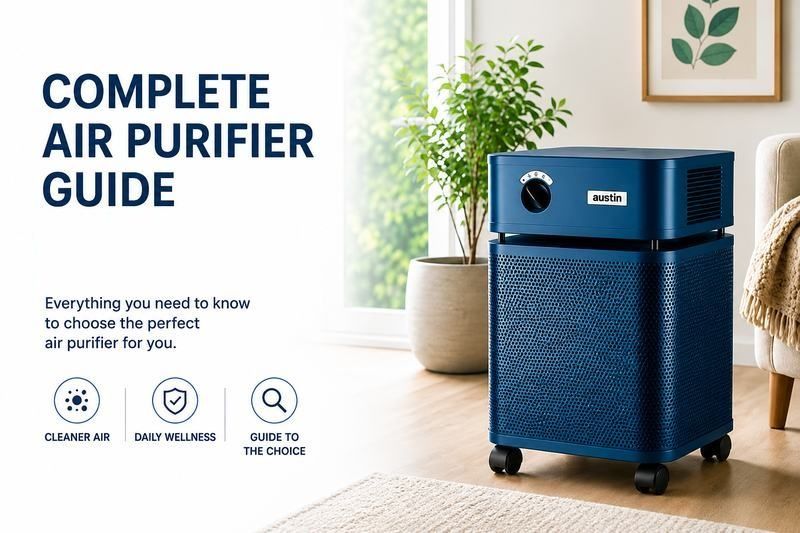 Air Purifiers: Complete Guide and How to Choose the Right OneRead more: Air Purifiers: Complete Guide and How to Choose the Right One
How to choose the right air purifier: HEPA and carbon filters, sizing, noise, running costs and maintenance....
-
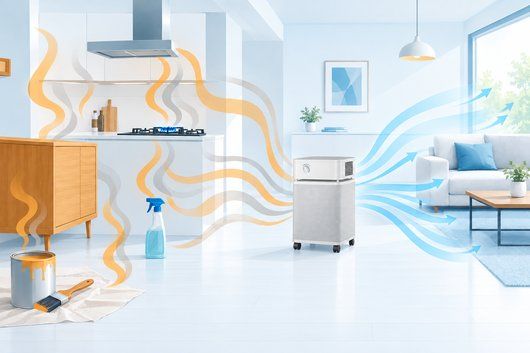 VOCs at home: what they are, where they hide and how to really remove themRead more: VOCs at home: what they are, where they hide and how to really remove them
Paint, new furniture, cleaning products and gas stoves release VOCs that no HEPA filter can stop. Discover where they...
-
 Extreme heat and air quality: what changes and how to protect yourselfRead more: Extreme heat and air quality: what changes and how to protect yourself
Extreme heat worsens the air quality we breathe, affecting everyone and especially people with MCS. Causes, updated...
-
 Asthma and Indoor Air Quality: What Science Says and How to Protect YourselfRead more: Asthma and Indoor Air Quality: What Science Says and How to Protect Yourself
Asthma affects millions of people and worsens at night, when exposure to bedroom allergens is highest. Clinical...
-
 Ten independent clinical trials on Austin Air: what they showRead more: Ten independent clinical trials on Austin Air: what they show
Eight published studies and two in progress, conducted by eight independent research institutions on asthma,...
Blog categories
Search in blog
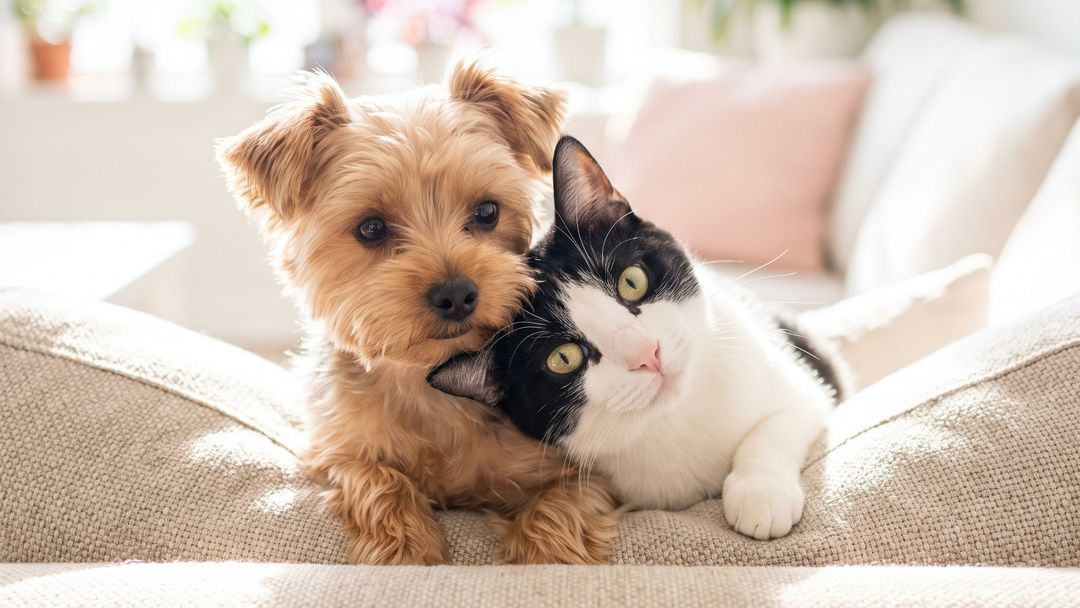
Dog and cat odors at home: how to get rid of litter box ammonia too
Anyone who lives with a dog or a cat knows it: some odors hit you as soon as you open the front door. Where they come from, why the litter box smells of ammonia, what to do at the source and how an air purifier can really help.
Reading: ~8 min
Pets at home and the air we breathe
Dogs and cats are part of the family, but they also bring odors, hair and allergens that build up in the air at home, especially in winter, when windows are opened less. Those who live with them often stop noticing, while guests notice straight away.
The most common and most annoying problem is the ammonia smell of the cat litter box. But dogs have their own odors too, and for both, what you cannot smell matters a lot as well: hair, dander and allergens suspended in the air. The good news is that with the right habits and adequate filtration you can greatly reduce both the smell and what you breathe.
Why the cat litter box smells of ammonia
Freshly produced urine mainly contains urea, an almost odorless substance. It is the bacteria in the litter and in the environment that, over the hours, turn it into ammonia: a gas with a pungent smell that irritates the eyes and airways. The longer urine stays in the litter, the more ammonia forms.
This is why the smell becomes strong especially when:
- the litter box is not cleaned every day, or the litter is not completely replaced regularly;
- several cats use the same litter box;
- the litter box is in a small, poorly ventilated space, such as a windowless bathroom or a closet;
- the cat urinates outside the litter box, and urine soaks into rugs, sofas, wooden floors or tile grout.
When to see the vet
A slight ammonia smell is normal. However, if the smell suddenly becomes much stronger, or the cat starts urinating outside the litter box, it may signal a health problem in the animal (for example in the urinary tract or kidneys). In these cases it is best to talk to the vet before thinking about the air at home.
And the dog?
Dogs do not use a litter box, but they have their own odors, different from those of cats:
Coat and skin
The natural oils of the skin give dogs their typical smell, which becomes stronger when the coat is wet, after rain or a bath.
Beds, blankets and sofas
The fabrics a dog sleeps on retain odors and hair and slowly release them into the room.
"Accidents"
Puppies and older dogs may have accidents indoors: their urine too, if not cleaned properly, develops an ammonia smell, just like a cat's.
A very strong, unusual smell coming from a dog's mouth, ears or skin, on the other hand, is a reason for a vet visit, not a problem to solve with air filtration.
Not just odors: hair, dander and allergens
Besides odors, dogs and cats release hair, dander and allergens into the air. In cats, the main allergenic protein (Fel d 1) is found mainly in saliva and skin, and it settles on very small particles that stay airborne for a long time and spread throughout the home. For people with allergies, or homes with children or people with asthma, reducing these allergens in the air is as important as removing odors. We cover this in more detail in our article on dust mites, pollen and allergens at home.
First of all, the source
No purifier can replace cleaning: odors must be reduced first of all where they originate.
- Clean the litter box every day: remove soiled clumps at least once a day and replace all the litter regularly, washing the tray. With several cats, one more litter box than the number of cats is recommended.
- The right location: in a ventilated space, away from where you eat and, if possible, not in the bedroom.
- Clean "accidents" thoroughly: use enzymatic cleaners made for pet urine, which break down the substances that cause the smell instead of masking it.
- Wash fabrics often: beds, blankets, cushions and sofa covers retain odors and hair.
- Brush your pet regularly, preferably outdoors or in an easy-to-clean area, to reduce hair and dander at home.
- Air the rooms every day, depending on outdoor air quality.
What to avoid
Never use bleach on urine: in contact with ammonia it can release gases that irritate people and pets. And avoid air fresheners, sprays and scented candles to mask the smell: they do not remove ammonia and add other VOCs to the air at home.
 Where an air purifier helps
Once the source has been dealt with, a purifier running continuously reduces what remains in the air, day and night:
- the pre-filter stops hair and larger particles, protecting the inner stages;
- the medical-grade HEPA filter captures airborne dander and allergens: according to official Austin Air data, 99.97% of particles at 0.3 µm and 99% at 0.1 µm;
- the activated carbon and zeolite, up to 6.8 kg in standard models, adsorb pet odors and VOCs;
- for ammonia, Austin Air especially indicates the models with potassium iodide-impregnated carbon, HealthMate Plus and Plus Junior, and the Immunity Machine, which also has a mineral stage dedicated to ammonia.
Practical tips
- Place the purifier in the room with the litter box or where the pet spends most time, at least 10 cm from the wall.
- With pets at home the pre-filter gets dirty faster: vacuum it more often than once a month, always without removing it, using the soft brush attachment.
- With many pets, filter life may be shorter than the 5 years of typical home use: the sign is odors coming back.
Which Austin Air model to choose
- HealthMate®: for pet odors in general, with a medical-grade HEPA filter for hair, dander and allergens and non-impregnated activated carbon and zeolite for odors and VOCs.
- HealthMate Plus®: when the main problem is the ammonia smell of the litter box, thanks to its potassium iodide-impregnated carbon.
- HealthMate Plus Junior: the same composition as the Plus in a compact size, for rooms up to 40 m², such as the bathroom or study where the litter box is.
- Immunity Machine®: for homes with several pets or the most demanding situations, with the mineral stage dedicated to ammonia and the HEGA carbon cloth.
In summary
The ammonia smell of the litter box comes from bacteria transforming urine, and it grows when the litter box is not cleaned often or sits in a closed space. Dogs and cats also bring hair, dander and allergens into the home. The first defense is cleaning at the source, without bleach and without masking air fresheners; a purifier with a pre-filter, medical-grade HEPA and a large amount of activated carbon, ideally impregnated where ammonia is concerned, completes the protection and makes the air at home fresher for everyone, pets included.
 Contact us
 WhatsApp
Useful links
 Dust mites, pollen and allergens at home
- VOCs at home: what they are and how to reduce them
 Purifier buying guide
 Compare the Austin Air models
 All Austin Air purifiers
Note: air purifiers are not medical devices and do not replace the prevention measures, diagnoses or treatments recommended by a doctor or vet, nor the regular cleaning of rooms and pet areas. Performance may vary depending on use and environment.
Sources: Austin Air Systems, official descriptions of the HealthMate, HealthMate Plus, HealthMate Plus Junior and Immunity Machine filters and guidance on filter life.
Posted in:
Air Quality Blog
Related posts
-
Asthma and Indoor Air Quality: What Science Says and How to Protect Yourself
Asthma affects millions of people and worsens at night, when exposure to bedroom allergens is highest. Clinical...Read more
-
Ten independent clinical trials on Austin Air: what they show
Eight published studies and two in progress, conducted by eight independent research institutions on asthma,...Read more
-
Air Purifiers: Complete Guide and How to Choose the Right One
How to choose the right air purifier: HEPA and carbon filters, sizing, noise, running costs and maintenance....Read more
-
Austin Air announces the launch of the Immunity Machine, its most advanced air purifier.
Austin Air introduces the Immunity Machine, its most advanced air purifier: 8-phase filtration with medical-grade...Read more
-
MCS and Air Purification: A Guide to More Livable Spaces
A practical guide to air purification for people with MCS and chemical sensitivity: how to choose the right purifier,...Read more
Leave a comment