Coconut shell or coal: two materials with different pores. Here is what the studies say and which works best with...

Latest posts
-
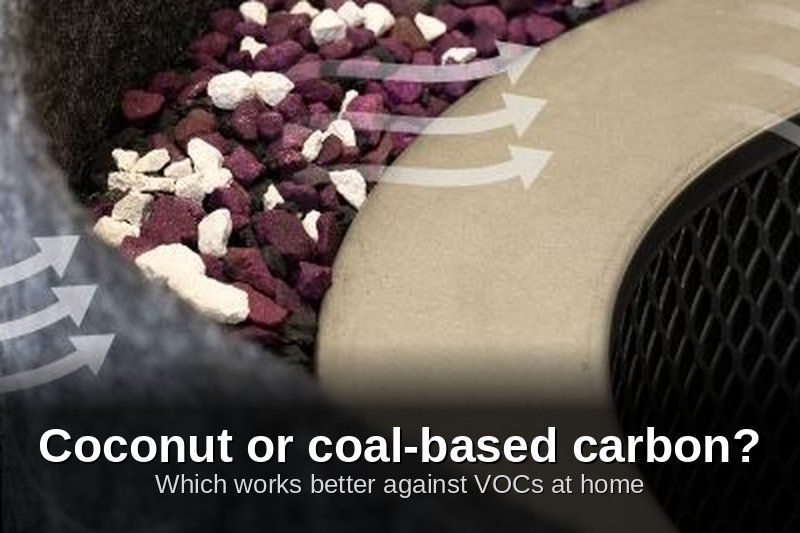 Coconut or coal-based carbon: which is better for VOCsRead more: Coconut or coal-based carbon: which is better for VOCs
-
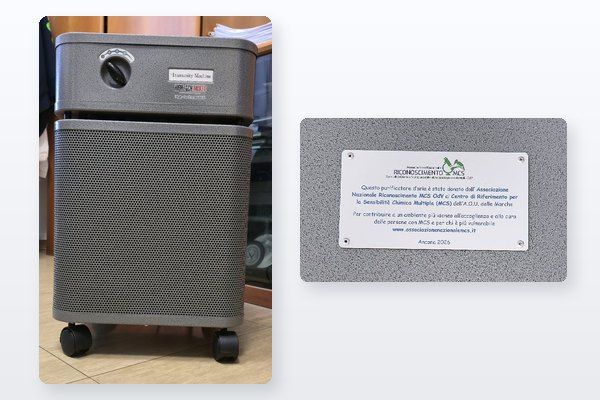 An air purifier donated to the MCS Reference Center in Ancona: a project made possible by the 5x1000Read more: An air purifier donated to the MCS Reference Center in Ancona: a project made possible by the 5x1000
The National Association for the Recognition of MCS donated an Austin Air Immunity Machine® air purifier to the MCS...
-
 Dog and cat odors at home: how to get rid of litter box ammonia tooRead more: Dog and cat odors at home: how to get rid of litter box ammonia too
The ammonia smell of the litter box, a wet dog's coat, hair and allergens everywhere: anyone living with dogs and...
-
 Saharan dust and Etna ash: what they are and how to protect the air at homeRead more: Saharan dust and Etna ash: what they are and how to protect the air at home
Yellow skies from African dust and falls of Etna ash: two increasingly frequent natural phenomena that bring fine...
-
 Floods and indoor air: what happens afterwards and how to protect yourselfRead more: Floods and indoor air: what happens afterwards and how to protect yourself
After a flood, the air problem does not end when the water recedes: mold, bacteria, dust and odors can linger at home...
-
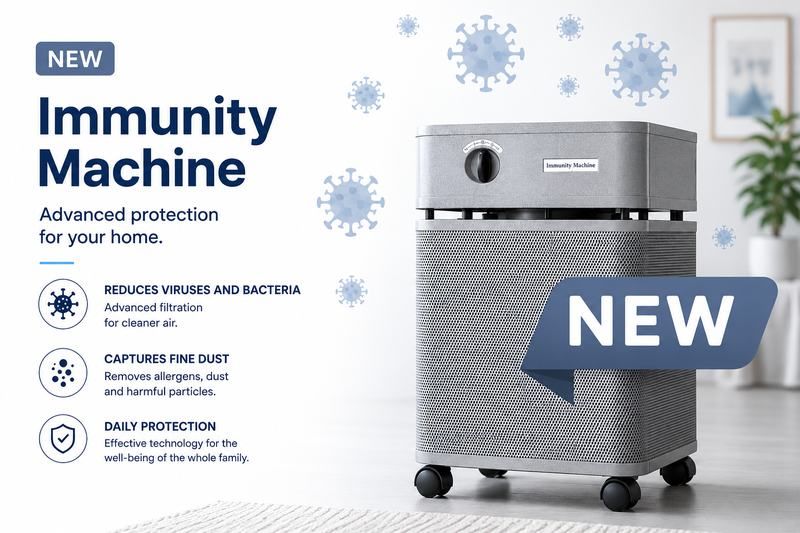 Austin Air announces the launch of the Immunity Machine, its most advanced air purifier.Read more: Austin Air announces the launch of the Immunity Machine, its most advanced air purifier.
Austin Air introduces the Immunity Machine, its most advanced air purifier: 8-phase filtration with medical-grade...
-
 MCS and Air Purification: A Guide to More Livable SpacesRead more: MCS and Air Purification: A Guide to More Livable Spaces
A practical guide to air purification for people with MCS and chemical sensitivity: how to choose the right purifier,...
-
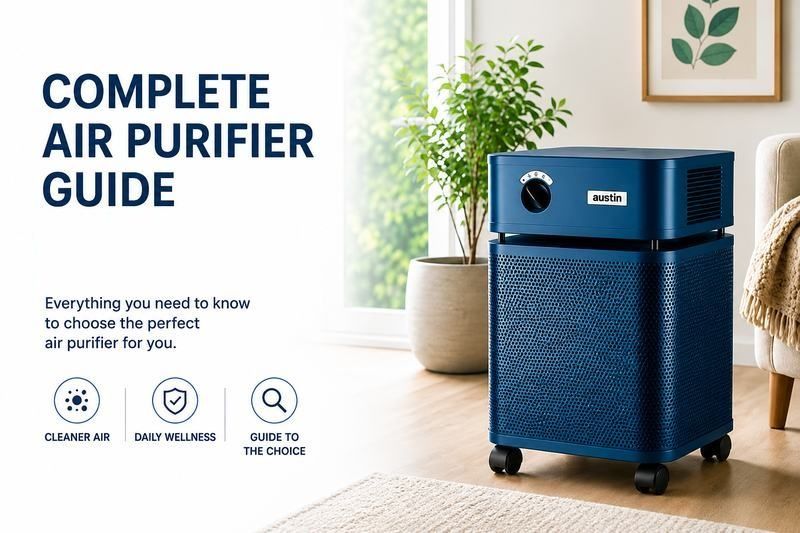 Air Purifiers: Complete Guide and How to Choose the Right OneRead more: Air Purifiers: Complete Guide and How to Choose the Right One
How to choose the right air purifier: HEPA and carbon filters, sizing, noise, running costs and maintenance....
-
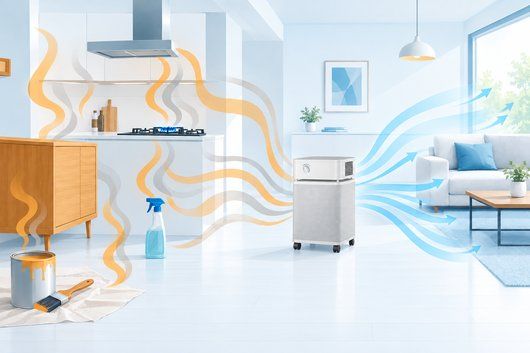 VOCs at home: what they are, where they hide and how to really remove themRead more: VOCs at home: what they are, where they hide and how to really remove them
Paint, new furniture, cleaning products and gas stoves release VOCs that no HEPA filter can stop. Discover where they...
-
 Extreme heat and air quality: what changes and how to protect yourselfRead more: Extreme heat and air quality: what changes and how to protect yourself
Extreme heat worsens the air quality we breathe, affecting everyone and especially people with MCS. Causes, updated...
Blog categories
Search in blog
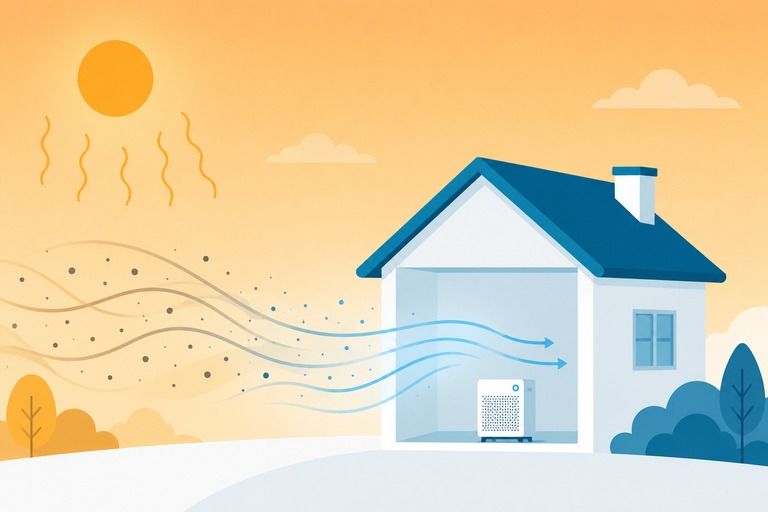
Extreme heat and air quality: what changes and how to protect yourself
Heat waves don't just affect our physical wellbeing: they also affect the quality of the air we breathe, indoors and outdoors. Here's why, what Italy's new national Ministry of Health plan says about it, and what changes in particular for people living with Multiple Chemical Sensitivity (MCS).
Updated: August 7, 2026 • Reading time: ~6 min
Extreme temperatures are becoming more frequent, more intense and longer lasting. Alongside the better known effects of heat, such as fatigue and dehydration risk, there is one that is often overlooked: worsening air quality. According to the Canadian association ASEQ-EHAQ, periods of intense heat lead to greater exposure to air pollutants and can worsen symptoms in people with MCS. Understanding this connection helps plan your days better and protect indoor air quality.
Italy is also paying closer institutional attention to this issue: in late July 2026 the Italian Ministry of Health updated its national heat wave plan for the first time, treating extreme heat and air pollution as a single health emergency to be tackled together, and broadening the vulnerable categories it recognises: no longer just the elderly, but also children, pregnant women, outdoor workers and people with chronic conditions. Source: Quotidiano Sanità (Italian).
Why extreme heat worsens air quality
Intense heat changes how air pollutants behave. Ground-level ozone, one of the main components of smog, forms from a reaction between sunlight, nitrogen oxides (produced mainly by vehicle traffic and combustion) and volatile organic compounds (released by paints, solvents, cleaning products and exhaust fumes): the more heat and sunlight increase, the more this reaction intensifies. Unlike the protective ozone layer high in the atmosphere, ground-level ozone is harmful to health: it can irritate the eyes, nose, throat and lungs in the short term, and has been linked to worsening asthma and lung function over the long term.
PM2.5
Fine particulate matter tends to increase during heat waves.
Industrial and traffic emissions
Industrial processes and vehicles produce more emissions during hotter periods.
Volatile organic compounds (VOCs)
Paints, solvents, fuels and building materials evaporate more easily in the heat.
Wildfire smoke
Smoke events become more frequent and intense, with pollutants trapped in stagnant air close to the ground.
According to Italian Ministry of Health guidelines, between 2016 and 2019 more than 70,000 deaths in Italy were attributed to chronic exposure to PM2.5 levels above those recommended by the WHO.
Even in areas where the air is usually relatively clean, these factors can worsen air quality quickly, sometimes within a few hours.
The effect on people with MCS
Poor indoor air quality can worsen symptoms and make daily exposure management more difficult for people living with MCS. During periods of extreme heat, the most common triggers include:
Wildfire smoke
Vehicle exhaust
Emissions from road surfaces and asphalt
Fragrances that intensify with heat
VOCs that evaporate more easily (e.g. cleaning products)
Outdoor pollution entering the home
Exposure can cause headaches, respiratory irritation, fatigue, dizziness, cognitive difficulties, skin irritation or the worsening of pre-existing symptoms. Each person with MCS reacts differently, and triggers vary from individual to individual.
Monitoring air quality
Keeping an eye on the weather forecast is only a first step. Just as useful is following the air quality indices provided by environmental agencies and weather services, which indicate the health risk level associated with current conditions. In Italy this data is published by the regional ARPA agencies and by various weather services, and can help decide whether it's safer to stay indoors with windows closed on a given day. It's worth paying attention to:
- Air quality advisories
- Extreme heat alerts
- Wildfire smoke advisories
- Local public health notices
Reducing exposure during intense heat
It's not always possible to avoid poor air quality, but a few precautions can help reduce exposure:
Limit outdoor activities when air quality is poor
Close windows and doors when smoke or pollution is high
Filter indoor air with a good quality system
Stay hydrated and avoid intense physical activity
Plan errands during hours with less pollution
Move to cooler, well-ventilated indoor spaces if your home becomes too hot
Everyone has different needs and can react differently to chemical exposure: a strategy that works well for one person may not work for another.
The role of indoor air filtration
When outdoor air worsens, indoor air quality becomes even more important. As authorized Austin Air importers for Italy, we work with air purifiers designed to address both particulate matter and odors and volatile organic compounds, not just one of the two.
 HEPA: HEPA filtration with Hollingsworth & Vose filter media (HC-4011 grade), effective on fine particulate matter.
 Activated carbon and zeolite: up to 6.8 kg in the standard models, to address odors and VOCs too, the very substances that evaporate more easily in the heat.
HealthMate and Bedroom Machine have been used in independent clinical studies conducted in the United States with people with asthma and COPD.
Within the Austin Air range you'll find both models with non-impregnated carbon and zeolite (HealthMate, Bedroom Machine, HealthMate Junior) and models with carbon impregnated with potassium iodide, offering higher chemical capacity against VOCs and strong odors (HealthMate Plus, HealthMate Plus Junior, Immunity Machine), also used regularly by a growing number of people with MCS. To help you choose between models, we remain available through our direct contacts (we do not offer samples of filter media).
 Contact us
 WhatsApp
Useful links
- Austin Air purifier buying guide
- Replacement filter guide
- Austin Air model comparison
- Air changes calculator
- Wildfire smoke guide
- Austin Air air purifiers
- Replacement filters
- Contact
Information on ozone, PM2.5 and air quality in this article is drawn from publicly available environmental health sources (ASEQ-EHAQ). References to independent clinical studies concern Austin Air's standard models. Performance may vary depending on conditions of use, and air purifiers are not medical devices.
Posted in:
Air Quality Blog
Related posts
-
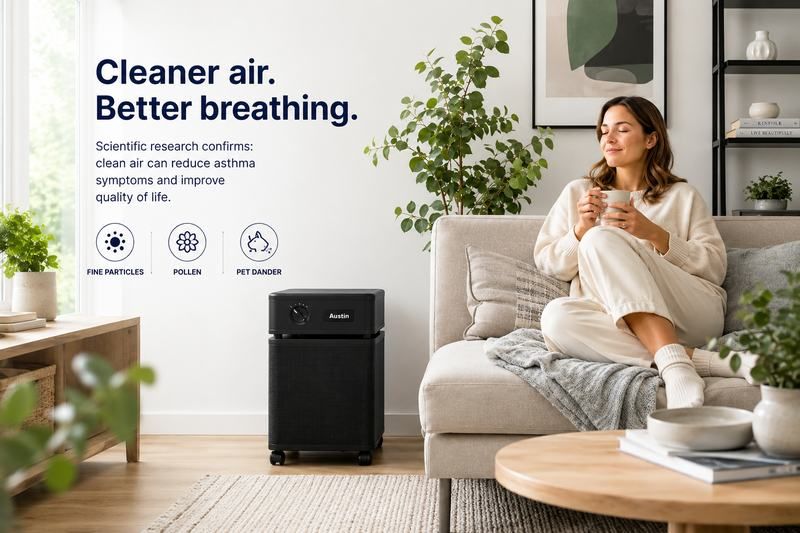 Asthma and Indoor Air Quality: What Science Says and How to Protect Yourself
Asthma affects over 3 million people in Italy and often worsens at night, when exposure to bedroom allergens is...Read more
-
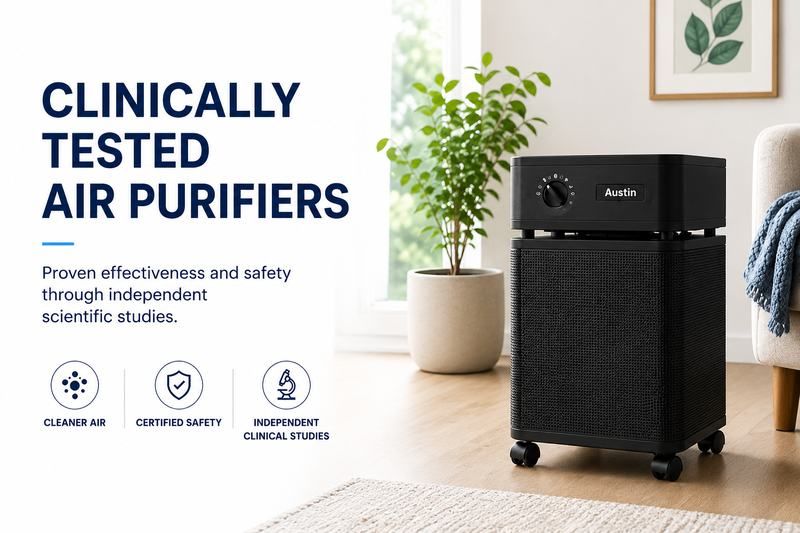 Ten independent clinical trials on Austin Air: what they show
Eight published studies and two in progress, conducted by eight independent research institutions on asthma,...Read more
-
Air Purifiers: Complete Guide and How to Choose the Right One
How to choose the right air purifier: HEPA and carbon filters, sizing, noise, running costs and maintenance....Read more
-
Austin Air announces the launch of the Immunity Machine, its most advanced air purifier.
Austin Air introduces the Immunity Machine, its most advanced air purifier: 8-phase filtration with medical-grade...Read more
-
MCS and Air Purification: A Guide to More Livable Spaces
A practical guide to air purification for people with MCS and chemical sensitivity: how to choose the right purifier,...Read more
Leave a comment