Coconut shell or coal: two materials with different pores. Here is what the studies say and which works best with...

Latest posts
-
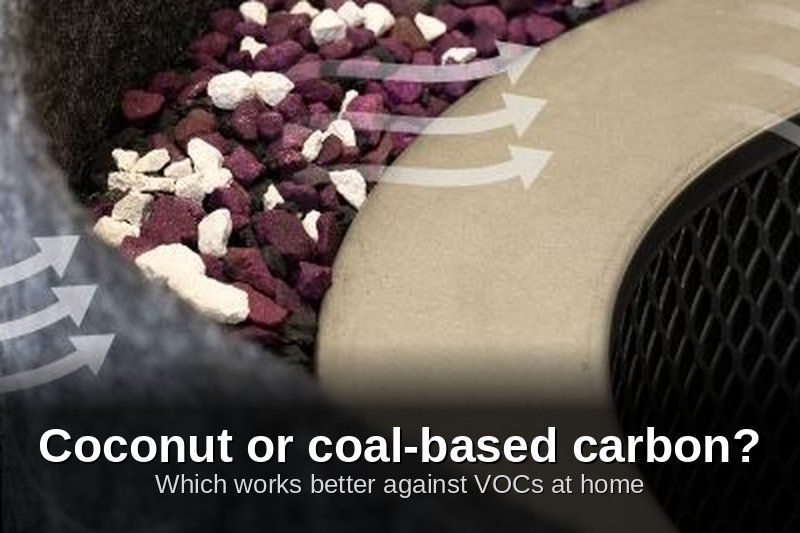 Coconut or coal-based carbon: which is better for VOCsRead more: Coconut or coal-based carbon: which is better for VOCs
-
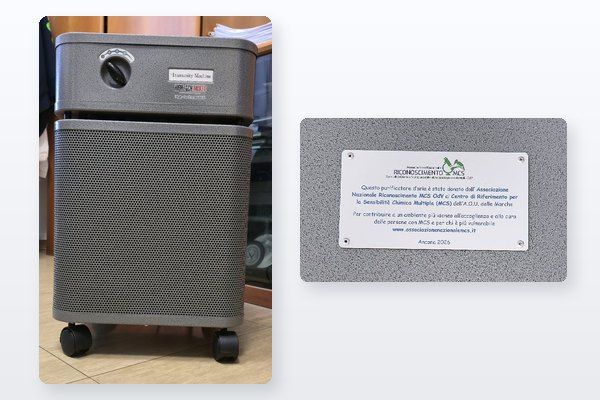 An air purifier donated to the MCS Reference Center in Ancona: a project made possible by the 5x1000Read more: An air purifier donated to the MCS Reference Center in Ancona: a project made possible by the 5x1000
The National Association for the Recognition of MCS donated an Austin Air Immunity Machine® air purifier to the MCS...
-
 Dog and cat odors at home: how to get rid of litter box ammonia tooRead more: Dog and cat odors at home: how to get rid of litter box ammonia too
The ammonia smell of the litter box, a wet dog's coat, hair and allergens everywhere: anyone living with dogs and...
-
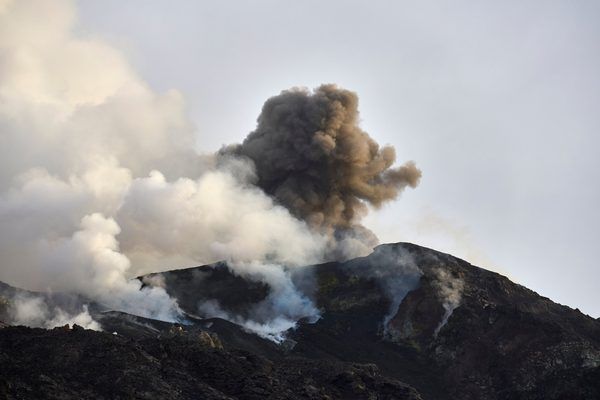 Saharan dust and Etna ash: what they are and how to protect the air at homeRead more: Saharan dust and Etna ash: what they are and how to protect the air at home
Yellow skies from African dust and falls of Etna ash: two increasingly frequent natural phenomena that bring fine...
-
 Floods and indoor air: what happens afterwards and how to protect yourselfRead more: Floods and indoor air: what happens afterwards and how to protect yourself
After a flood, the air problem does not end when the water recedes: mold, bacteria, dust and odors can linger at home...
-
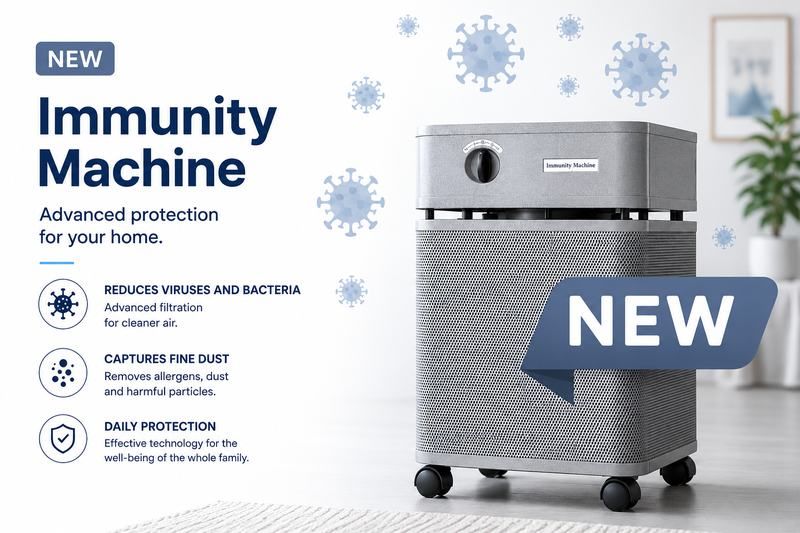 Austin Air announces the launch of the Immunity Machine, its most advanced air purifier.Read more: Austin Air announces the launch of the Immunity Machine, its most advanced air purifier.
Austin Air introduces the Immunity Machine, its most advanced air purifier: 8-phase filtration with medical-grade...
-
 MCS and Air Purification: A Guide to More Livable SpacesRead more: MCS and Air Purification: A Guide to More Livable Spaces
A practical guide to air purification for people with MCS and chemical sensitivity: how to choose the right purifier,...
-
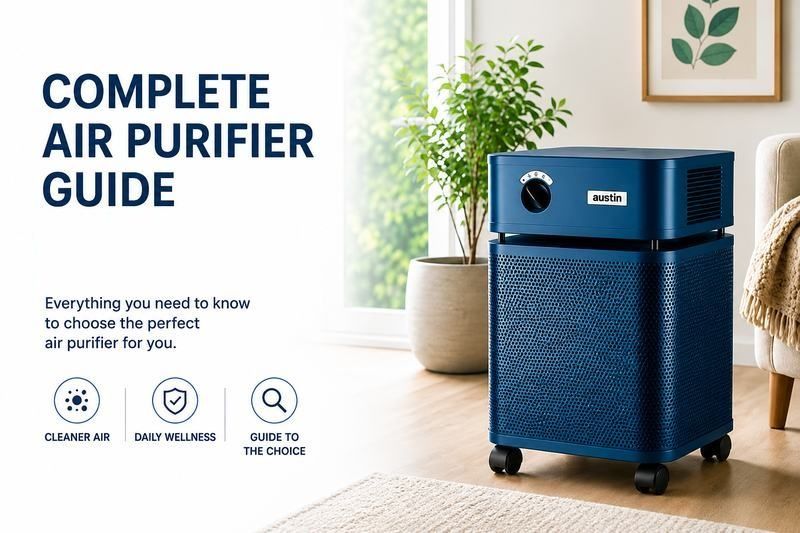 Air Purifiers: Complete Guide and How to Choose the Right OneRead more: Air Purifiers: Complete Guide and How to Choose the Right One
How to choose the right air purifier: HEPA and carbon filters, sizing, noise, running costs and maintenance....
-
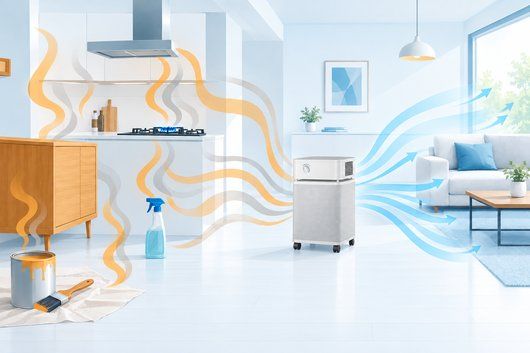 VOCs at home: what they are, where they hide and how to really remove themRead more: VOCs at home: what they are, where they hide and how to really remove them
Paint, new furniture, cleaning products and gas stoves release VOCs that no HEPA filter can stop. Discover where they...
-
 Extreme heat and air quality: what changes and how to protect yourselfRead more: Extreme heat and air quality: what changes and how to protect yourself
Extreme heat worsens the air quality we breathe, affecting everyone and especially people with MCS. Causes, updated...
Blog categories
Search in blog
How to Recognize a Good Air Purifier and Avoid Marketing Tricks
The air purifier market is full of numbers that look impressive and promises that sound scientific, but that often only serve to make a mediocre product seem better. Buyers face acronyms, huge square-meter figures and percentages, without the tools to understand what really matters. In this guide we look, with no sugar-coating, at the most common marketing tricks to recognize and the real criteria for choosing a purifier that actually works.
We do it with a guiding principle: a good purifier is not judged by a slogan, but by how it is built inside and how transparent the declared data are. It is the same reason why, in another article, we explained why CADR is not a reliable standard for choosing.
The most common marketing tricks (and how to spot them)
The right criteria for choosing really well
Let us flip the perspective: here is what to look at, in positive terms, to recognize a well-built purifier.
The value of independent tests
The best way not to be fooled is to look for third-party assessments, independent of the manufacturer. They are more credible precisely because they have no interest in selling.
A recent example: the independent investigation by the US organization Mamavation on air purifiers listed the Austin Air HealthMate Plus among the best brands for dust, pollen and allergens, noting that it is very popular among people with multiple chemical sensitivity (MCS). You can read the full analysis on their site (Mamavation air purifier investigation). It is the kind of independent recognition that counts more than any slogan.
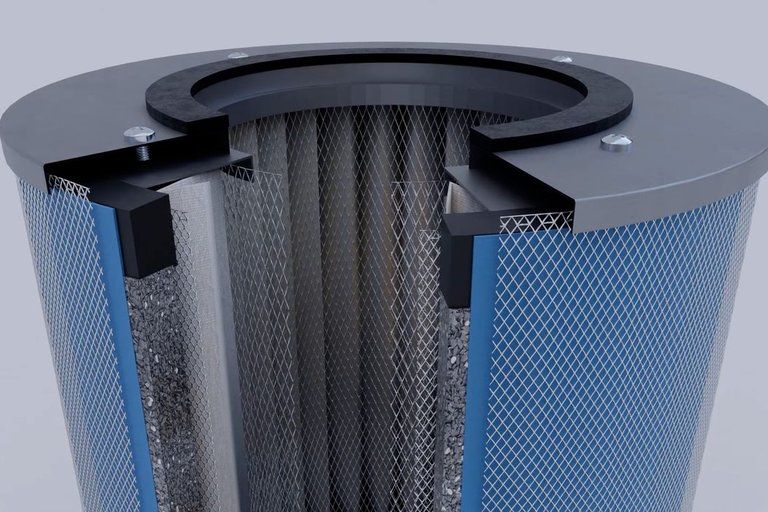
It is no coincidence that Austin Air purifiers meet all the criteria we listed: medical-grade True HEPA, large declared quantities of granular coconut shell activated carbon and zeolite, 360° air intake for long contact time with the carbon, mechanical filtration without ozone, a steel body and filters that last up to 5 years. If you want to go deeper into the practical side of filters and their life, you will find everything in the replacement filters guide.
The checklist to avoid mistakes
Before buying a purifier, ask yourself these questions:
- Is the filter a certified True HEPA, with verifiable tests?
- Is the weight of the granular activated carbon declared?
- Does the air pass through the carbon over a large area, with good contact time?
- Is the coverage realistic, with at least two or more air changes per hour?
- Is filtration mechanical, without ozone or ionization?
- Is the construction solid and durable?
- Are there independent tests or recognitions to back it up?
If the answer is yes to all of them, you are looking at a good purifier. If the seller avoids these questions or answers with slogans, that is a signal worth reflecting on.
Want to choose without the risk of getting it wrong?
Our guide takes you to the right purifier for your need, with real data and no slogans.
Go to the buying guideNote: the independent assessments cited refer to tests carried out by third parties on specific products and markets (primarily the United States) and may not reflect Italian conditions. Technical data may vary between versions and markets. Air purifiers are not medical devices and do not replace recommended preventive measures, diagnoses, or therapies.
Posted in:
Air Quality Blog
Related posts
-
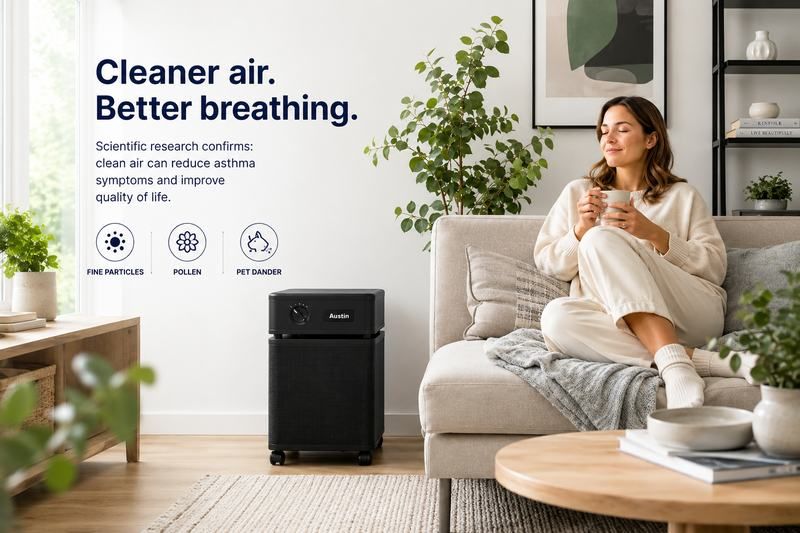 Asthma and Indoor Air Quality: What Science Says and How to Protect Yourself
Asthma affects over 3 million people in Italy and often worsens at night, when exposure to bedroom allergens is...Read more
-
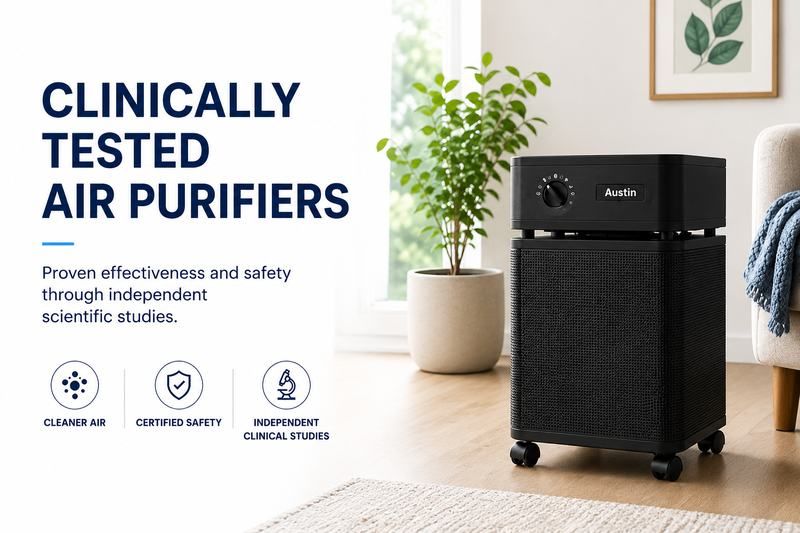 Ten independent clinical trials on Austin Air: what they show
Eight published studies and two in progress, conducted by eight independent research institutions on asthma,...Read more
-
Air Purifiers: Complete Guide and How to Choose the Right One
How to choose the right air purifier: HEPA and carbon filters, sizing, noise, running costs and maintenance....Read more
-
Austin Air announces the launch of the Immunity Machine, its most advanced air purifier.
Austin Air introduces the Immunity Machine, its most advanced air purifier: 8-phase filtration with medical-grade...Read more
-
MCS and Air Purification: A Guide to More Livable Spaces
A practical guide to air purification for people with MCS and chemical sensitivity: how to choose the right purifier,...Read more
Leave a comment